
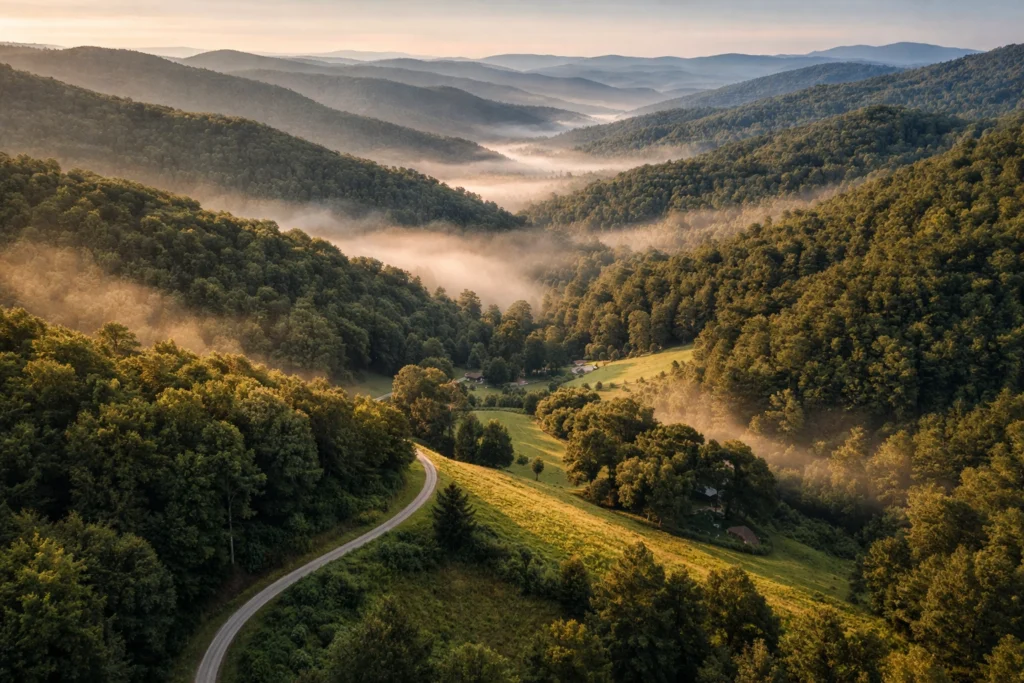
Thinking about buying land and building your dream home in the mountains? You’re not alone. With over 350 land listings covering more than 2,600 acres currently available in Ashe County, there’s no shortage of possibilities. But before you fall in love with that perfect piece of property, there are some important things you need to know about the building process here in the High Country.
After 30+ years helping folks find and develop land in Ashe County NC, I’ve seen it all, the exciting success stories and the costly mistakes that could’ve been avoided. Let’s walk through the 10 essential things every land buyer should know before making this investment.
1. Understand the Current Land Market in Ashe County
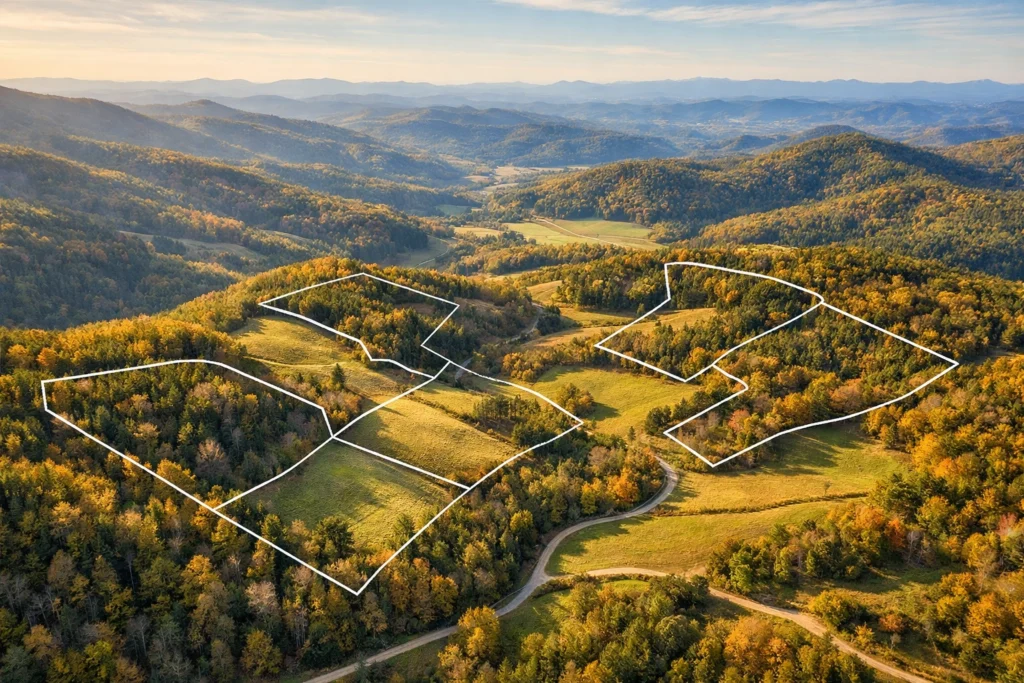
The land market here is healthy but competitive. Right now, the median listing price for land hovers around $515,000 to $600,000, with properties typically staying on the market for about 272 days. That’s actually good news for you, it means you have time to do your homework and make a thoughtful decision.
The median price per acre sits at around $6,977 to $8,056, but you’ll find everything from small residential lots starting at $7,500 to sprawling acreage exceeding $849,000. Average listings run about 65-70 acres, though the sweet spot for many buyers is around 40 acres.
2. Get a Perc Test Before You Fall in Love
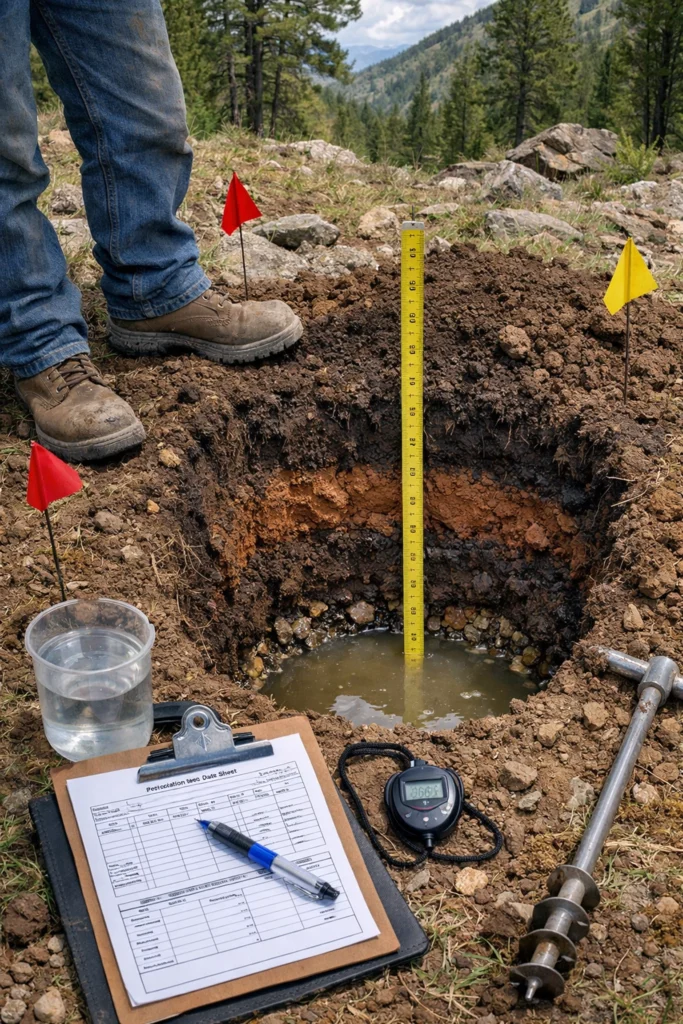
Here’s the thing nobody wants to hear: that gorgeous piece of land might not be buildable. In Ashe County, most properties rely on septic systems, which means you need a perc test (percolation test) to determine if the soil can handle a septic system.
A perc test evaluates how quickly water drains through your soil. Poor drainage? No septic approval. No septic approval? No building permit. This test typically costs $500-$1,000, but it can save you from buying land you can’t build on. Always make your offer contingent on a successful perc test.
3. Water Sources Matter More Than You Think
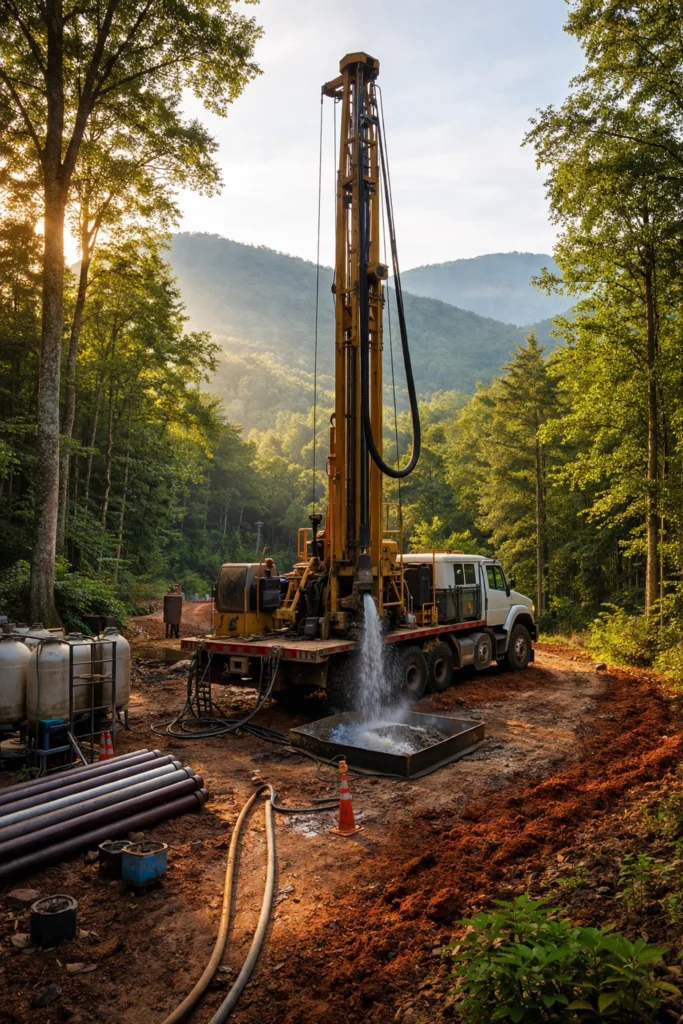
Municipal water isn’t available across most of Ashe County’s rural areas, which means you’ll likely need a well. Drilling a well can cost anywhere from $5,000 to $15,000 depending on depth and terrain. Before purchasing land, research the water table in that specific area and budget accordingly.
Some questions to ask: How deep are neighboring wells? What’s the water quality like? Is there a reliable year-round water source? These aren’t just practical concerns, they affect your property value and daily life.
4. Navigate the Permit Process Early
Building permits in Ashe County involve multiple steps and agencies. You’ll work with the Ashe County Building Inspections Department, the Health Department (for septic permits), and potentially the Planning Department depending on your project.
Key permits you’ll likely need:
Septic permit – Based on soil evaluation and system design
Building permit – For the structure itself
Well permit – If drilling a new water source
Driveway permit – For access from public roads
Electrical permit – For power installation
Start this process early. Permit approval can take weeks or months, and building during winter months can slow things down considerably.
5. Access Roads Are Non-Negotiable
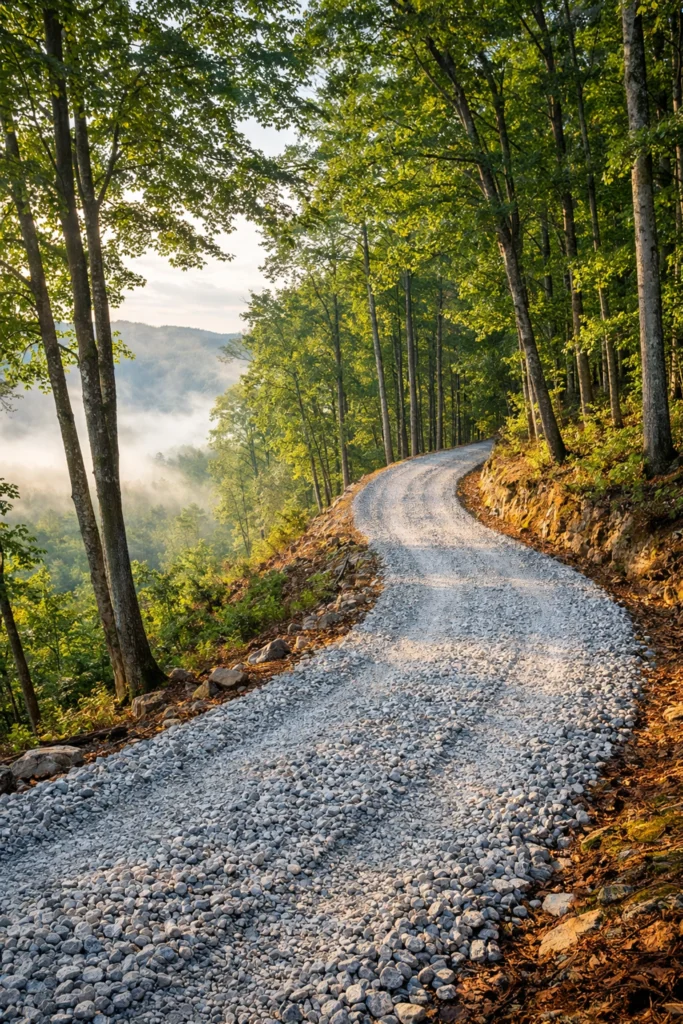
That secluded mountain parcel might look perfect until you realize there’s no legal road access. North Carolina law requires deeded access to build, and creating a new road up a mountainside isn’t cheap: think $10,000 to $50,000 or more depending on distance and terrain.
Check these access-related items:
Is there deeded right-of-way access?
What’s the road condition (paved, gravel, or dirt)?
Can the road handle construction equipment and delivery trucks?
Who maintains the road, and what are the associated costs?
6. Understand Zoning and Building Restrictions
Ashe County has specific zoning regulations that determine what you can build and where. Some areas are designated for agricultural use, others for residential, and some allow commercial development.
Additionally, if you’re buying in a subdivision or development, there may be covenants and restrictions that limit building height, exterior materials, or even the architectural style. Review these carefully before you buy: you don’t want to design your dream cabin only to discover it violates neighborhood rules.
7. Factor in Utility Costs and Availability
Getting power to a remote property costs money. Electric companies typically provide service up to a certain distance for free, but beyond that, you’re paying for every pole and foot of line: sometimes $20-$50 per foot.
Internet and cell service can also be spotty in rural Ashe County areas. If you plan to work remotely or need reliable connectivity, test the service at different times of day before committing. Satellite internet is improving, but it’s worth investigating your options early.
8. Choose Your Building Site Strategically
Not all parts of your land are created equal for building. Consider these factors when selecting your build site:
Solar exposure – South-facing slopes provide maximum sunlight and passive heating, which can significantly reduce energy costs.
Drainage patterns – Build on higher ground to avoid flooding and water issues. Never build in a natural drainage path.
Wind exposure – Ridge tops offer incredible views but fierce winter winds. Consider natural windbreaks.
Views and privacy – Balance your desire for vistas with practical concerns like road noise and neighbor proximity.
Walk the property in different seasons if possible. That charming creek might become a raging torrent in spring, and that perfect building spot might be a muddy mess after rain.
9. Budget for the Real Costs of Building
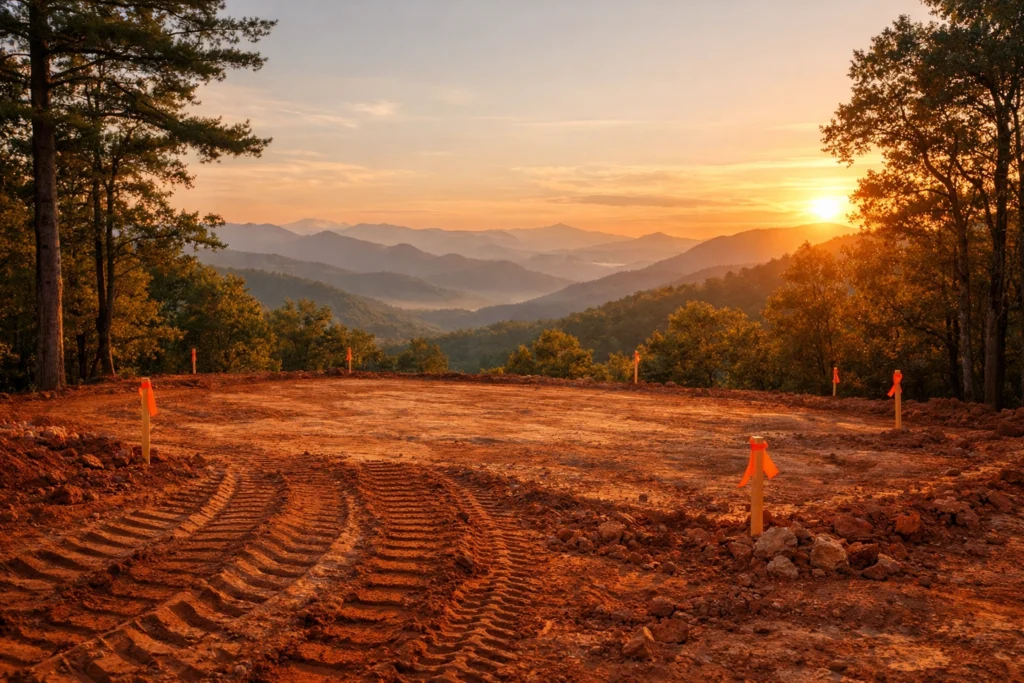
Land is just the beginning. Building in Ashe County’s mountain terrain often costs more than flat-land construction due to site preparation, hauling materials up winding roads, and weather delays.
Beyond land and construction, budget for:
Site preparation and grading ($5,000-$20,000+)
Septic system installation ($8,000-$15,000)
Well drilling ($5,000-$15,000)
Driveway construction ($5,000-$50,000)
Utility connections ($2,000-$20,000+)
Landscaping and erosion control ($3,000-$10,000)
Survey and engineering ($2,000-$5,000)
A good rule of thumb? Add 20-30% to your construction budget as a cushion for unexpected site-specific challenges.
10. Work with Local Experts Who Know Ashe County
This is where having someone like Beverly Black and the team at Ashe County Realty makes all the difference. Local expertise helps you avoid expensive mistakes and navigate the unique challenges of mountain property development.
We know which areas have good soil for septic systems, where wells tend to be shallow, which roads get maintained in winter, and which properties have hidden development challenges. We’ve watched this market for decades and can help you find land for sale in Ashe County NC that truly fits your building dreams and budget.
Ready to Start Your Land Search?
Buying land and building in Ashe County is an exciting journey, but it requires careful planning and local knowledge. The good news? With proper preparation and the right guidance, you can avoid costly surprises and create exactly the mountain retreat you’ve been dreaming about.
At Ashe County Realty, we specialize in helping buyers navigate the land-buying and building process from start to finish. Whether you’re looking at a small building lot near West Jefferson or a sprawling mountain acreage, we’ll help you understand exactly what you’re getting and what it’ll take to build there.
Don’t buy land blind. Let’s talk about your vision and find a property that checks all the boxes: both the ones you know about and the ones you haven’t considered yet. Because in the mountains, the right piece of land isn’t just about the view. It’s about everything that makes your dream buildable, livable, and truly yours.
Let Ashe County Realty help you discover the perfect mountain home. Our experienced agents in West Jefferson, NC, specialize in cabins, homes, and land along the New River. If you’re looking for stunning views or riverfront properties, let Ashe County Realty assist you in finding your ideal home.