
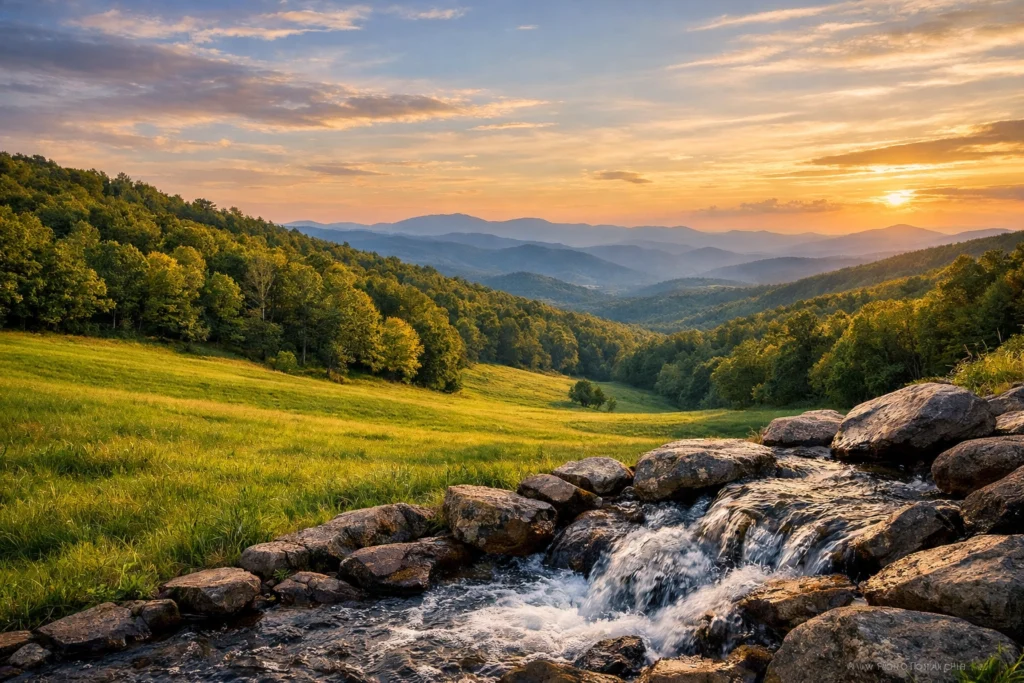
There is something truly magical about the idea of owning a piece of the Blue Ridge Mountains. Whether you’re dreaming of a tiny cabin tucked away in the woods of Todd, a sprawling farm in Deep Gap, or a modern masterpiece overlooking the peaks near West Jefferson, the allure of the High Country is undeniable. You can almost smell the Fraser Firs and feel the cool mountain breeze just thinking about it.
However, buying ashe county land for sale isn’t quite the same as buying a lot in a suburban subdivision. Out here, the land has personality, and sometimes that personality includes steep cliffs, hidden springs, and specific zoning quirks.
I’m Beverly Black, and at Ashe County Realty, we’ve helped countless folks transition from “dreaming” to “digging.” Before you sign on the dotted line, I want to share the “insider scoop” on what you actually need to look for. Grab a cup of coffee, and let’s walk through the 10 things you absolutely must know before buying land in our neck of the woods.
1. Topography: It’s Not All Flat (And That Matters)
In many parts of the country, “acreage” means a flat square of dirt. In Ashe County, an acre can be a vertical climb or a rolling meadow. When you see a listing for ashe county land for sale, the first thing you need to look at isn’t just the price, it’s the contour.
Building on a steep slope requires “site prep,” which can include expensive retaining walls, specialized foundations, and extra grading. A “cheap” lot on a 45-degree angle might end up costing you double in construction costs compared to a slightly more expensive, level lot. Always walk the land (wear your boots!) to see where a house could actually sit.
2. The “Invisible” Essentials: Well and Septic
If you’re looking at land outside the town limits of Jefferson or West Jefferson, you likely won’t have access to city water or sewer. This means you’ll need a well and a septic system.
Before you buy, you need to ensure the land “perks.” A percolation test (perk test) determines if the soil can handle a septic drain field. No perk, no house. Similarly, drilling a well in the mountains can be a bit of a gamble. Some folks hit water at 200 feet; others have to go down 800 feet. We always recommend making your purchase offer contingent on a satisfactory soil evaluation.
3. Zoning and Land Use: What Can You Actually Do?
One of the reasons people love Ashe County is the freedom, but that doesn’t mean there are no rules. Depending on whether your land is near the downtown West Jefferson area or out in the unincorporated parts of the county, zoning laws will vary.
Are you planning to start a small farm? Do you want to build a secondary “mother-in-law” suite? Are short-term rentals allowed? Ashe County is generally very “property rights” friendly, but it’s vital to check the specific county ordinances for your parcel to make sure your vision aligns with the law.
4. Road Maintenance: Who’s Plowing the Snow?
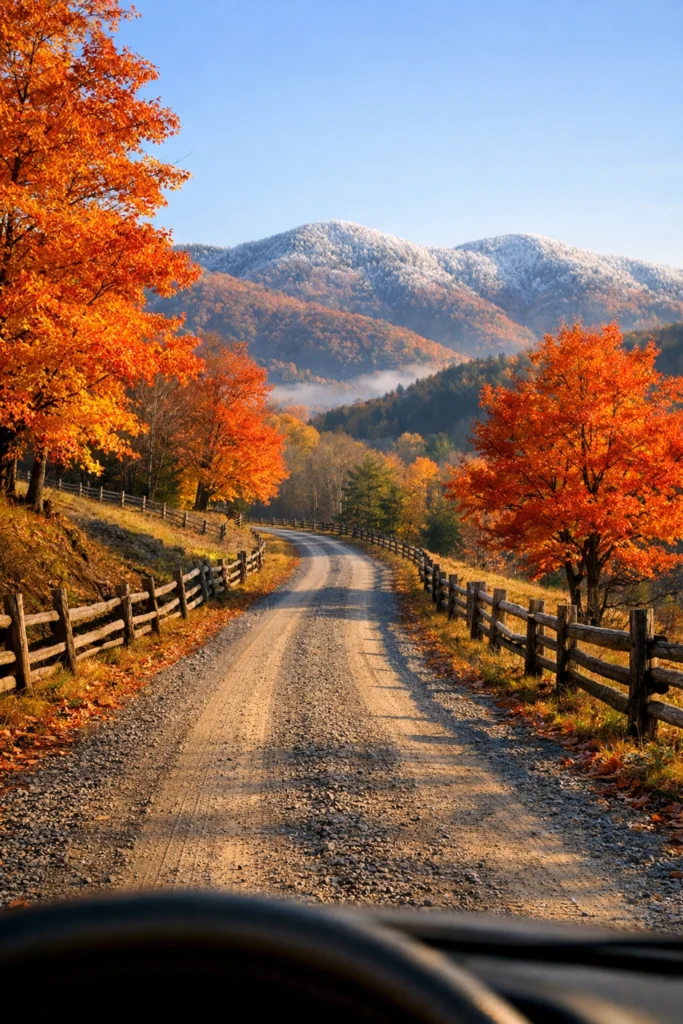
We get all four seasons here, and while our winters are usually beautiful, they do involve snow. When looking at land in areas like Todd or Crumpler, pay close attention to the road access.
Is it a state-maintained road? If so, the NC Department of Transportation will handle the plowing. Is it a private road? If it is, you’ll likely be part of a Road Maintenance Agreement (RMA) where neighbors chip in to keep the gravel fresh and the snow cleared. If there is no agreement in place, you might be the one buying the plow for your truck!
5. Mountain Views vs. Accessibility: The Great Trade-off
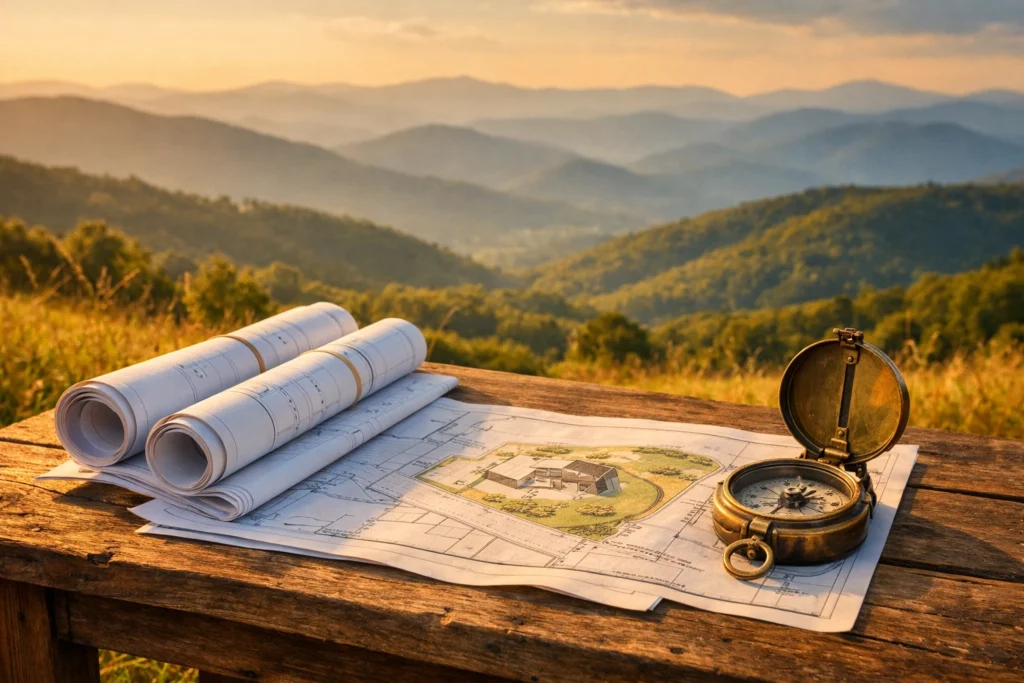
Everyone wants that “top of the mountain” sunset view. Those views are breathtaking, but they often come with a trade-off: accessibility.
The higher you go, the steeper and windier the driveways tend to be. If you’re planning on living here year-round, ask yourself if you’re comfortable driving that road in January. Sometimes, the best properties are the ones halfway up the ridge: you still get a stunning scenic view, but you aren’t white-knuckling it every time you go to the grocery store.
6. The Importance of a Modern Survey
Never rely on a handshake, an old fence line, or a “tax map” to tell you where your property ends. Mountain land has been handed down through generations, and sometimes those old boundaries are marked by things like “the big oak tree” (which died in 1974) or “the pile of rocks by the creek.”
A modern survey is your best friend. It protects your investment, confirms your acreage, and identifies any encroachments from neighbors. It’s an upfront cost that saves you massive headaches down the road.
7. Restrictions and HOAs: Reading the Fine Print
Even if the land feels wild and free, it might be part of a planned community or have “deed restrictions.” These can dictate everything from the minimum square footage of your home to whether or not you can park an RV in the driveway.
Some developments in areas like Fleetwood have very light restrictions, while others have active Homeowners Associations (HOAs) with monthly dues. Neither is inherently “bad,” but you need to know which one fits your lifestyle before you commit.
8. Internet Availability: Staying Connected
It’s 2026, and many of us work from home or just want to stream our favorite shows. You might assume that fiber-optic internet is everywhere, but in the deeper pockets of the High Country: like some parts of Creston: it’s still a work in progress.
Thankfully, companies like SkyBest and Blue Ridge Energy have done a fantastic job expanding fiber access throughout Ashe County. However, you should always verify the specific service available at the property address. If fiber isn’t there, you might be looking at Starlink or cellular hotspots.
9. Understanding Local Build Costs
Buying the land is just phase one. Phase two is building your dream. It’s important to realize that building in the mountains is often more expensive than building on flat land.
Between the cost of hauling materials up winding roads, the specialized labor required for mountain foundations, and current 2026 market rates for lumber and stone, you’ll want to have a realistic budget. We often recommend talking to a few local builders before you even close on the land to get a “ballpark” estimate for your specific site.
10. The Value of a Local Broker
You wouldn’t ask a city plumber to fix a mountain well, and you shouldn’t rely on a “big city” agent to navigate mountain land. A local broker who lives and breathes Ashe County real estate knows the soil, the local contractors, the hidden gems, and the pitfalls to avoid.
At Ashe County Realty, we don’t just show you land; we help you see the potential. We know which areas of Jefferson are growing and where you can find the quietest trout streams in Crumpler.

Helen Leserra – Real Estate Broker,
With a distinguished 26-year career in the real estate industry, Helen Leserra brings a level of expertise and market wisdom to Ashe County Realty that only decades of dedicated service can produce. Helen is a seasoned veteran of the High Country market, known throughout the region for being professional, prompt, and exceptionally knowledgeable