
You’ve been driving through Ashe County, daydreaming about building your mountain retreat on that perfect piece of land. Maybe it’s five acres with a view, or twenty wooded acres where you can finally disconnect. But before you sign on the dotted line, there are some critical questions your agent should be asking, and if they’re not, you need to.
After years of helping folks find land for sale in Ashe County NC, I’ve seen too many buyers discover deal-breaking issues after closing. Let’s make sure that doesn’t happen to you.
1. Road Access Isn’t Just About Having a Road
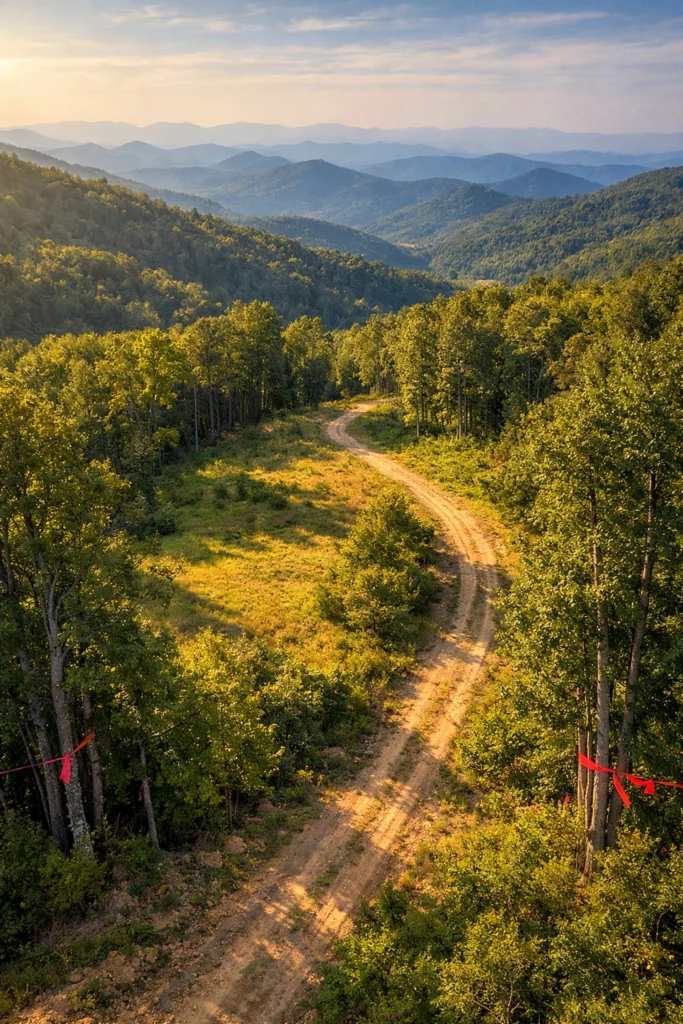
Here’s what most agents won’t emphasize enough: you need a deeded easement in writing. I don’t care if the seller swears you can use that gravel road, verbal agreements mean nothing when you need to prove your right to access your property.
Ask these questions before you fall in love with a parcel:
Who maintains the road? If it’s private, that’s on you (and your wallet).
Can emergency vehicles actually reach your property year-round?
What happens when we get eight inches of snow in January?
Some of our mountain roads become impassable in winter. That romantic isolation feels a lot less romantic when an ambulance can’t get to you.
2. The Perc Test Can Make or Break Your Dream
If your land doesn’t have access to public sewer (and most raw land in Ashe County doesn’t), you need a septic system. And for a septic system, you need soil that can absorb water properly, that’s what a perc test determines.
Make your offer contingent on a satisfactory perc test, or verify one’s already been done. I’ve watched buyers lose thousands on land that looked perfect but failed the perc test. The soil composition in our mountains can be tricky, and not every beautiful piece of land can support a septic system.
3. “Unrestricted Land” Doesn’t Mean “Do Whatever You Want”
Ashe County has both restricted and unrestricted land for sale, and the difference matters more than you might think. Restricted parcels come with covenants, rules about what you can build, minimum square footage, exterior materials, even whether you can have livestock or run a business from home.
Unrestricted land gives you more freedom, but here’s the catch: you still have to comply with county building codes, setback requirements, environmental regulations, and flood plain restrictions if applicable.
Always request a copy of any deed restrictions before making an offer. Don’t assume anything about what you can or can’t do with your property.

4. Utility Availability Will Shock Your Budget
That $50,000 piece of land might seem like a steal until you realize it’s going to cost $30,000 to run electric to the building site. Ask specific questions about:
Distance to existing power lines
Water source options (county water, well, or spring)
Internet availability (yes, this matters more than ever)
Propane access if there’s no natural gas
Getting utilities to remote mountain properties can add tens of thousands to your development costs. Your agent should be helping you get estimates before you commit.
5. Total Acreage Isn’t the Same as Usable Acreage
I see this misconception constantly: buyers assume all twenty acres are equal. In Ashe County’s terrain, they’re not. A five-acre parcel with a gentle slope and cleared building site might be more valuable than ten steep, rocky acres where you can only build on a quarter-acre pad.
Look at the buildable acreage, not just the total. Consider:
Slope and terrain
Wetlands or protected areas
Rock outcroppings that make excavation expensive
Tree clearing requirements and costs
Sometimes paying more per acre for better buildability saves you money in the long run.
6. That Jaw-Dropping View Might Not Be Protected
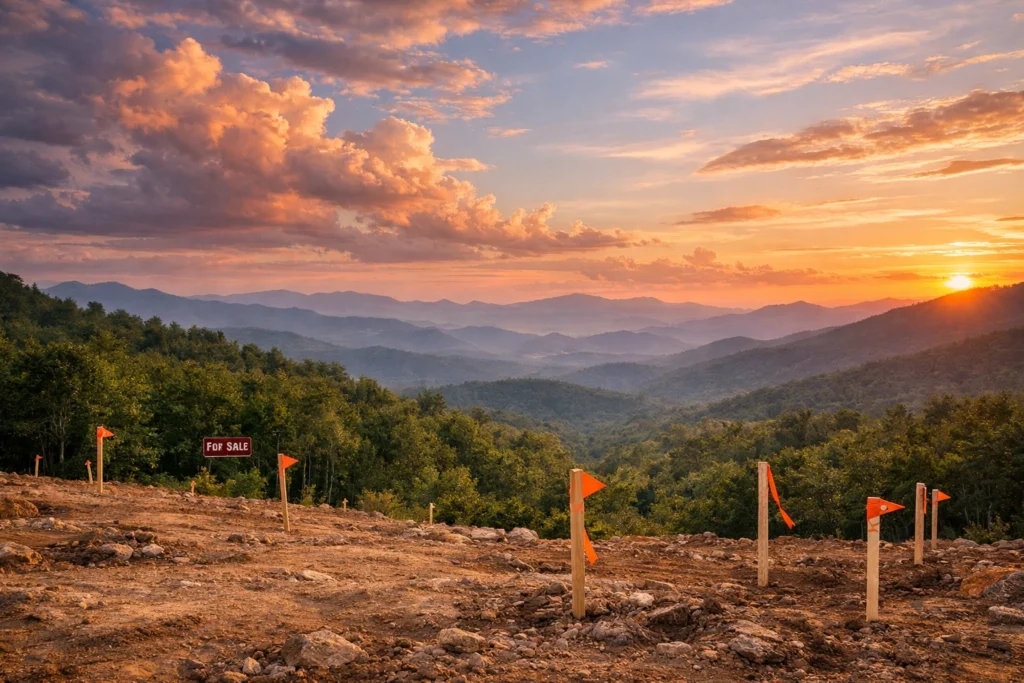
You found land with a stunning mountain vista. But can the property next door build a house that blocks your view? In most cases, yes.
Unless you purchase the land that contains your view, or there are specific view easements in place, you can’t control what happens on neighboring properties. Smart buyers ask about adjoining land ownership and any existing or proposed developments nearby.
7. Survey Lines Aren’t Always Where You Think They Are
Old survey markers disappear. Property lines get fuzzy. That gorgeous creek you thought was on your property? Might actually be on your neighbor’s land.
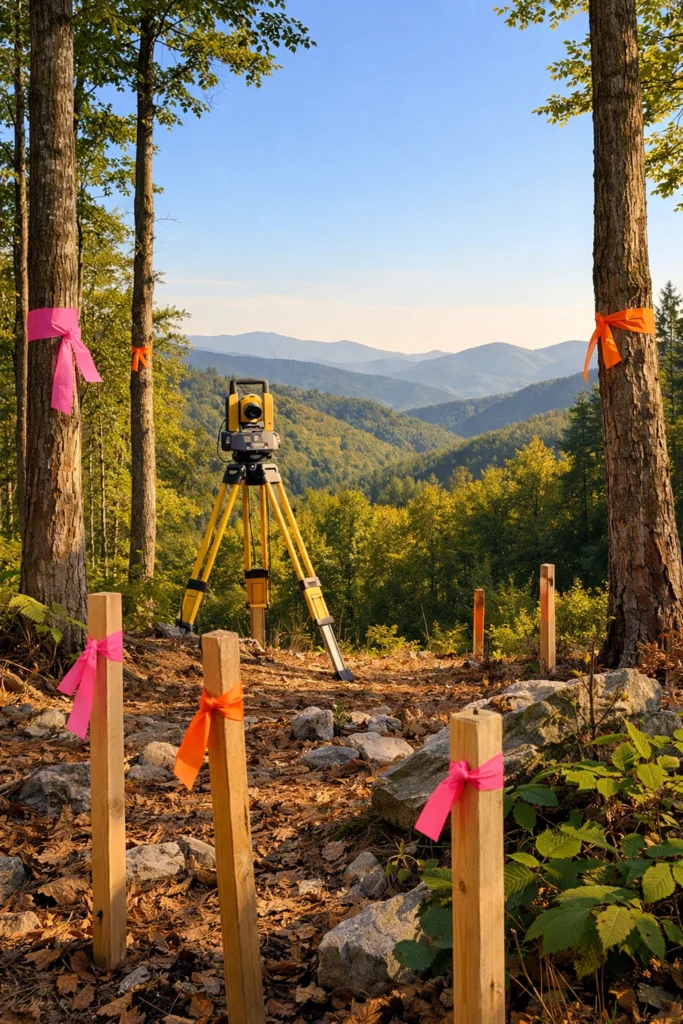
Get a current survey if one hasn’t been done recently. It’s a few hundred dollars that can prevent years of boundary disputes. I’ve seen neighbors go to court over three feet of land because nobody bothered to verify the actual property lines.
8. Building Codes Apply Even in Rural Areas
Some buyers think because they’re buying land “in the middle of nowhere,” they can build whatever they want however they want. That’s not how it works in North Carolina.
Your agent should connect you with the county planning department to understand:
Setback requirements from roads and property lines
Well and septic placement regulations
Building permit requirements
Inspection schedules during construction
Following code isn’t optional, and retrofitting after you’ve already built is expensive and frustrating.
9. Location Relative to Services Still Matters
Even if you’re buying land for a weekend retreat, think about practical access to:
Grocery stores and supplies
Medical facilities
Schools (if you have or plan to have kids)
Hardware stores for your building project
Some of our land for sale in Ashe County NC sits thirty minutes from West Jefferson. That drive feels longer when you’re making multiple trips for building materials or need last-minute supplies. Consider how the location fits your actual lifestyle, not just your dream version.
10. The Market Context Matters for Negotiation
Right now, Ashe County has over 350 land parcels available, with median prices ranging from about $9,800 to $13,900 per acre. That’s over $131 million in land listings covering more than 2,600 acres.
This is buyer’s market context your agent should be leveraging. With this much inventory, you have negotiating power. Don’t be afraid to:
Request seller-paid surveys or perc tests
Negotiate based on needed improvements
Ask for extended due diligence periods
Counter-offer below asking price
The current market conditions favor prepared buyers who know what questions to ask.
The Bottom Line
Buying land for sale in Ashe County NC should be exciting, not stressful. But it requires asking the right questions upfront: questions that some agents might not volunteer because they’re eager to close the deal.
A good agent educates you about these considerations before you make an offer. They help you arrange perc tests, review deed restrictions, get utility estimates, and understand the true development costs. They protect your investment by making sure you know exactly what you’re buying.
At Ashe County Realty, we believe informed buyers make better decisions and end up happier with their land purchase. We’ve helped countless clients navigate these exact questions, and we’ve seen firsthand how the right preparation turns a land purchase from a gamble into a smart investment.
Ready to start your land search with someone who’ll tell you what you need to hear, not just what you want to hear? Let’s talk about what you’re looking for, and I’ll make sure you’re asking every question that matters.
Because your mountain dream deserves better than “I wish someone had told me that before I bought.”