
Look, I’ve been helping folks buy land in Ashe County for over a decade now, and I can tell you this: land inspections are helpful, but they don’t tell you everything. There’s a whole world of details that can make or break your mountain property dream, and most inspectors won’t dig deep enough to uncover them.
So let’s talk about what you really need to know when you’re searching for land for sale in Ashe County NC. These are the things I wish every buyer knew before they signed on the dotted line.
1. Your Septic System Needs a “Plan B” Area (And It Might Already Be Compromised)
Here’s something that catches buyers off guard: In North Carolina, any property permitted since the early 1980s must have a designated “repair area” where a second drainfield could be installed if your original septic system fails.
Sounds reasonable, right? Except here’s the catch, if the previous owner built a shed, paved a driveway, or parked heavy equipment on that repair area, you could be looking at repair costs in the tens of thousands of dollars when (not if) your septic system eventually needs replacement.
What to do: Call the Appalachian District Health Department at 336-246-3356 and verify that all three required permits are in place: the Improvement Permit, Authorization for Wastewater System Construction, and Operation Permit. Then physically walk the property to make sure that repair area is still… well, repairable.
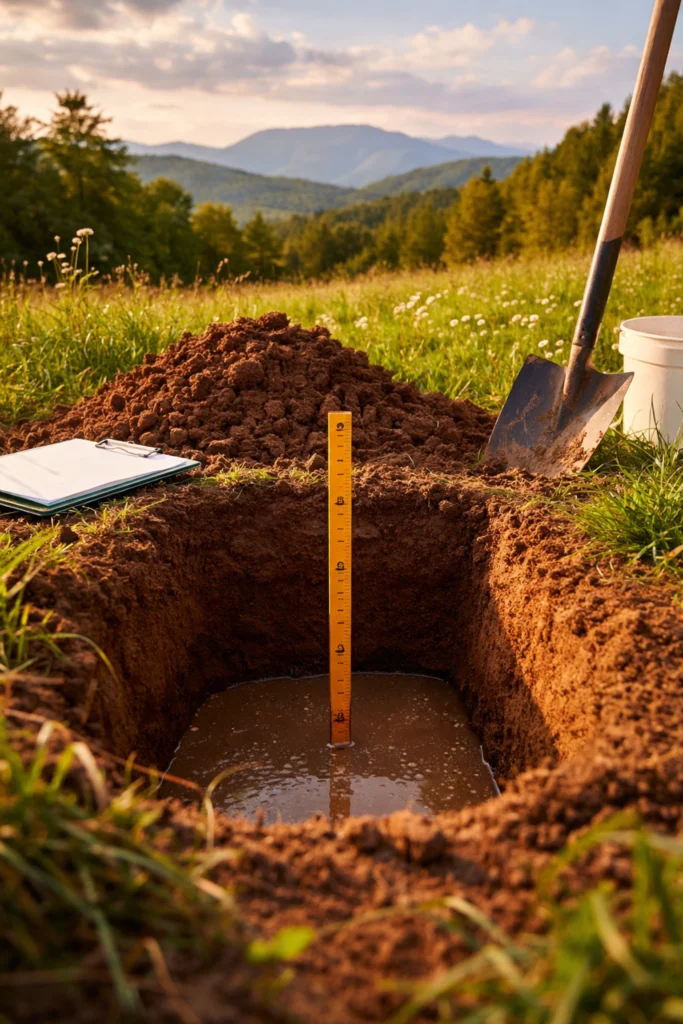
2. Perc Tests Don’t Tell You About Seasonal Soil Conditions
Sure, the property may have “perced” during the summer when the soil was dry and cooperative. But what happens during our wet springs when water tables rise? Some Ashe County land for sale will drain beautifully in July and turn into a soggy mess come March.
A standard percolation test is just a snapshot in time. If you’re buying vacant land, consider having a soil evaluation done during the wettest part of the year. It’s extra money upfront, but it beats discovering drainage problems after you’ve already purchased.
3. Well Water “Flow Rate” Doesn’t Mean “Quality”
Inspectors will tell you if the well produces enough gallons per minute. What they won’t always test for? Bacteria, pH levels, sulfur, iron, and other minerals that can make your water smell like rotten eggs or stain everything orange.
I’ve seen buyers get excited about high flow rates only to discover they need a $3,000 filtration system to make the water actually usable.
What to do: Spring for a comprehensive water quality test that goes beyond the basics. Test for bacteria, minerals, pH, and anything else that matters for daily living. Your future self will thank you.
4. That “Small” Easement Might Dictate Where You Can’t Build
Easements are everywhere in the High Country, and they’re way more complicated than most people realize. You might have a utility easement that seems harmless until you discover it runs right through your ideal building site. Or maybe there’s a road easement allowing your neighbor to drive across your property, which means you can’t put that dream cabin where you’d planned.
Conservation easements are another biggie. They can permanently restrict development on portions of your land, and those restrictions travel with the deed forever.
What to do: Get a complete list of all easements from your title company, then have your attorney explain exactly what each one means for your building plans. Better yet, walk the property with a surveyor who can show you exactly where these easements sit on the ground.
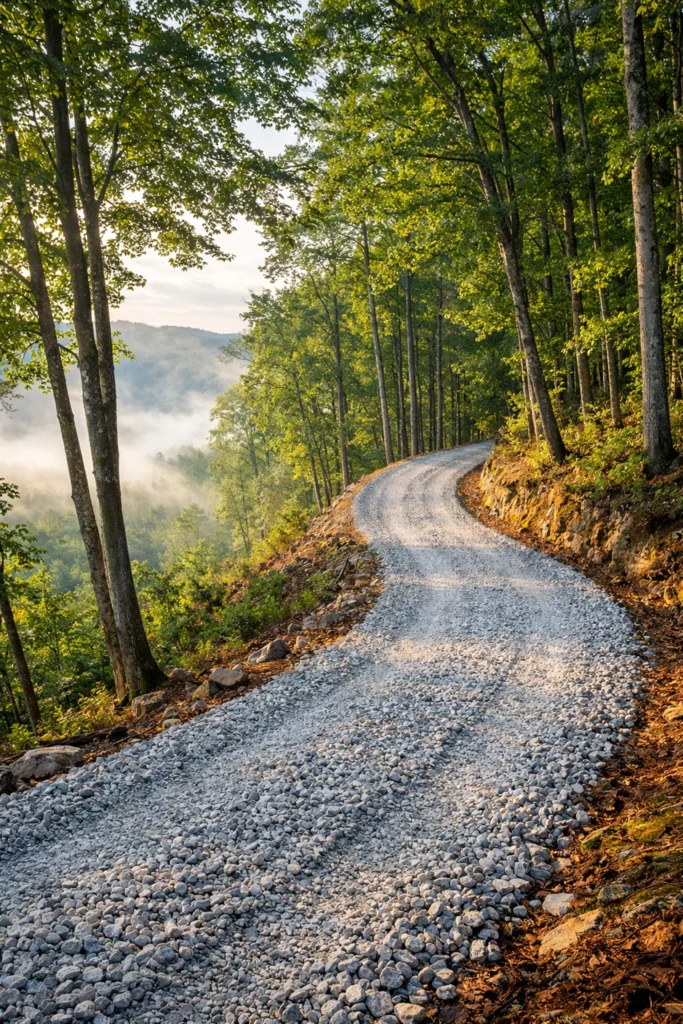
5. “Deeded Access” and “Year-Round Access” Are Two Different Things
Just because you have legal access doesn’t mean you can actually get to your property when you need to. I’ve worked with buyers who had perfectly legal deeded right-of-way access… across a dirt road that becomes completely impassable from December through March.
Some access roads are privately maintained (meaning you and your neighbors split the cost), while others might be maintained by the county. Some are steep, narrow, or prone to washouts. And if your access crosses someone else’s property? You’re at their mercy if they decide to let maintenance slide.
What to do: Visit the property in different seasons and weather conditions. Talk to the neighbors about road maintenance. If it’s a shared private road, get copies of any road maintenance agreements in writing.
6. You Might Not Own What’s Under (or On) Your Land
Here’s a fun surprise: Just because you’re buying the land doesn’t mean you’re buying everything that comes with it. The previous owner might have reserved mineral rights, timber rights, or even gravel rights. That means someone else could legally show up to harvest timber, mine minerals, or extract gravel from “your” property.
What to do: Have your attorney carefully review the deed for any “reserved rights” or “exclusionary rights.” These reservations should be clearly disclosed, but they’re easy to overlook if you’re not specifically looking for them.
7. Tax Maps Are Not Property Boundaries
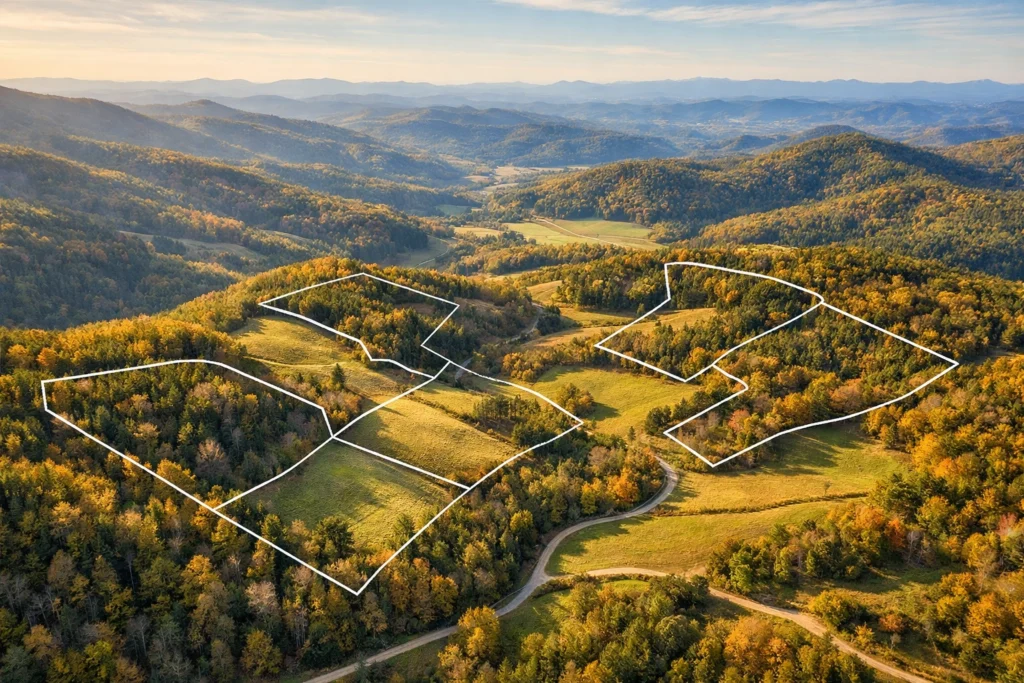
I can’t tell you how many times I’ve seen buyers rely on county tax maps to understand their property lines, only to discover the actual surveyed boundaries are different. Tax maps are created for, you guessed it, tax assessment purposes. They’re general location references, not legal boundary documents.
What to do: If there’s no recent survey, hire a licensed surveyor to locate and mark the actual boundaries before you buy. Yes, it costs money. But it costs a lot less than buying a property that’s smaller than you thought: or discovering your dream cabin site is actually on your neighbor’s land.
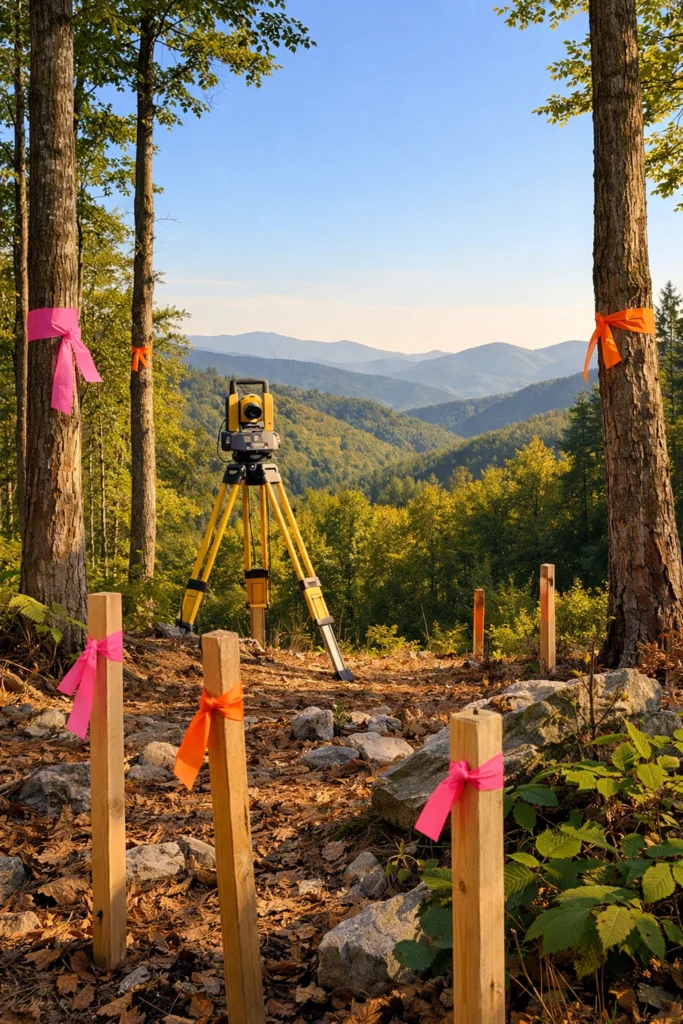
8. Building Permits Require More Than Just Zoning Approval
In North Carolina, you need a building permit before any construction. But getting that permit isn’t as simple as checking the zoning. You might also need approval from:
The floodplain management office (if any part of your property is in a flood zone)
Environmental Health (for septic system approval)
Town zoning (if you’re within town limits)
Additional agencies depending on your specific location and building plans
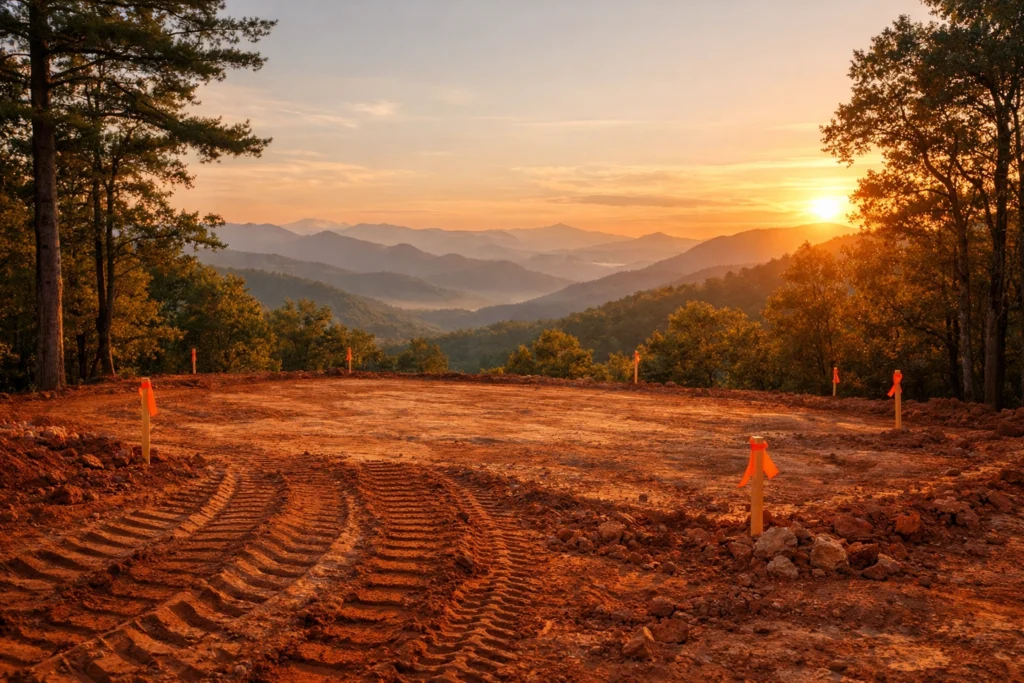
Setback requirements can also be surprisingly restrictive. You might have plenty of acreage but discover that setbacks from property lines, wells, septic systems, and roads leave you with a much smaller buildable area than you imagined.
What to do: Before you buy, contact the Ashe County Inspections Department and describe exactly what you want to build. Get confirmation: ideally in writing: that your plans are feasible on that specific property.
9. Soil Quality Varies Wildly (Even on the Same Property)
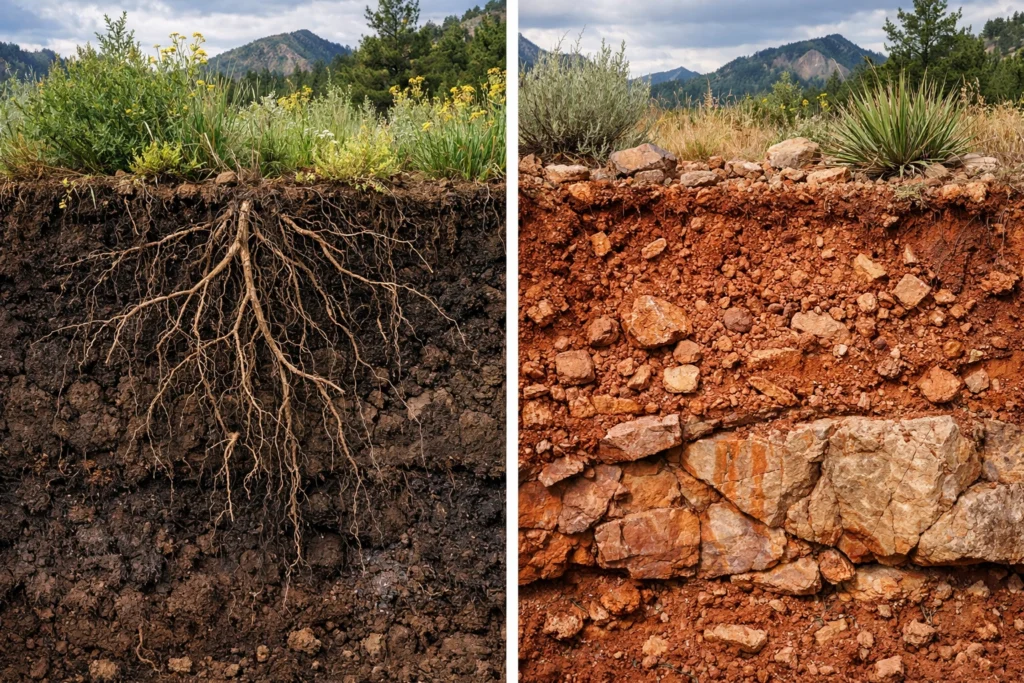
Our mountain topography means soil conditions can change dramatically within a few hundred feet. You might have beautiful, well-draining soil on one part of your property and heavy clay or bedrock on another. This affects everything from septic system placement to gardening to foundation costs.
Some areas have shallow soil over bedrock, which can make well drilling expensive and building foundations complicated. Other areas have expansive clay soils that shift and heave, requiring specialized foundation designs.
What to do: A comprehensive soil evaluation before purchase can identify problem areas and help you plan accordingly. It’s especially critical if you’re buying a larger parcel where you might have flexibility in choosing your building site.
10. “Natural Beauty” Can Come With Natural Hazards
That gorgeous creek running through the property? It might flood. Those towering trees? They could fall on your future home. That steep mountainside? It might be prone to landslides. That picturesque hollow? It could be a frost pocket where your garden freezes two months before everyone else’s.
Inspectors typically won’t evaluate natural hazard risks unless specifically asked. They’re looking at structures and systems, not reading the landscape for long-term environmental concerns.
What to do: Research flood maps, talk to neighbors about seasonal conditions, and consider hiring a geotechnical engineer if you’re buying property with steep slopes or obvious erosion issues.
The Bottom Line
Buying land for sale in Ashe County NC is exciting: but it requires doing your homework beyond the standard inspection. The most successful land buyers I work with are the ones who ask uncomfortable questions, hire the right specialists, and verify everything before closing.
Does this mean you should be paranoid about every property? No. It means you should be informed, prepared, and realistic about what you’re buying.
At Ashe County Realty, we’ve helped hundreds of buyers navigate these exact issues. We know which questions to ask, which specialists to recommend, and which red flags to watch for. If you’re serious about finding the right piece of Ashe County land for sale, let’s talk. We’ll make sure you know exactly what you’re getting: the good, the bad, and the “things inspectors won’t tell you.”
Because your mountain property should be a dream come true, not a expensive lesson in what you should have asked.