
There’s something magical about building your dream home in the mountains. Whether you’re drawn to the bohemian charm of Todd or the peaceful ridgelines of Deep Gap, these communities offer some of the most breathtaking todd nc real estate and deep gap nc real estate opportunities in the High Country. But before you break ground on that perfect mountain retreat, let’s talk about the reality of building in these stunning, yet challenging, landscapes.
I’ve watched too many buyers fall head over heels for a piece of land, only to discover costly surprises during the building process. The good news? Most of these pitfalls are completely avoidable when you know what to look for. Let me walk you through the essential considerations that’ll save you time, money, and headaches.
Understanding the Terrain: It’s Not Just About the View
When you’re searching for todd nc real estate or exploring land in Deep Gap, that panoramic mountain view can be absolutely mesmerizing. But here’s what many first-time land buyers don’t realize: the same topography that creates those stunning vistas also presents unique construction challenges.
The mountainous terrain in these areas isn’t just a pretty backdrop, it directly impacts everything from your foundation to your driveway. Slopes that look gentle can create significant drainage issues. Rocky outcroppings might look rustic and charming until you’re trying to dig for utilities. And that perfect building site with the killer view? It might require serious excavation work that dramatically increases your construction costs.
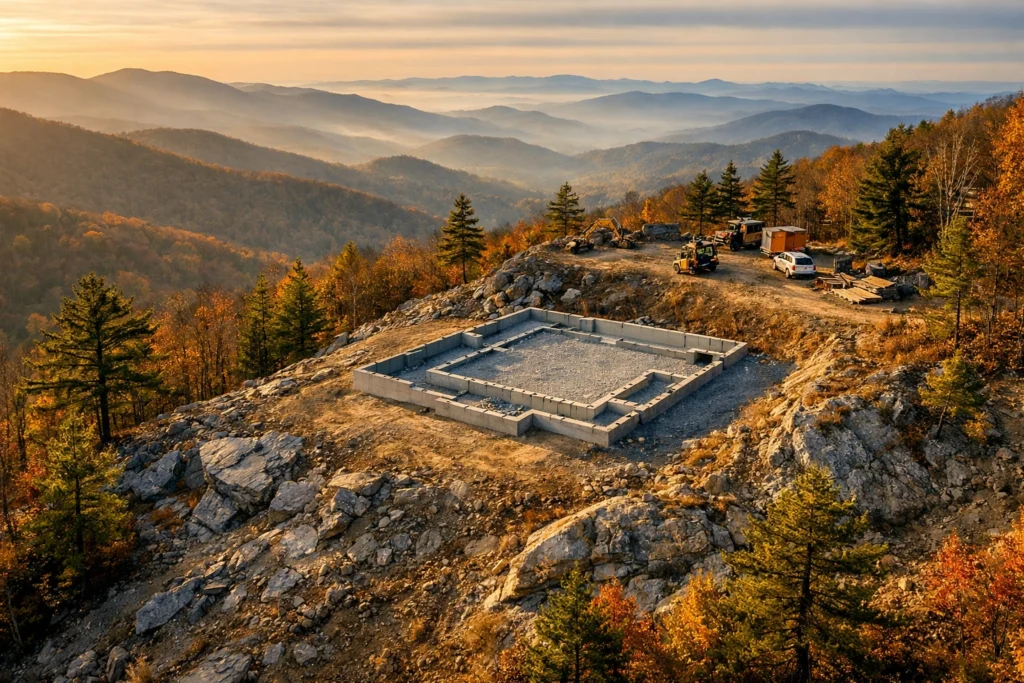
Before you make an offer on any land, get a professional site assessment. This isn’t the time to wing it. A qualified engineer or surveyor can identify potential grading issues, assess soil stability, and help you determine the most cost-effective building site on the property. Trust me, spending a few hundred dollars upfront can save you tens of thousands down the road.
The Septic System Reality Check
Let’s talk about something that’s not particularly glamorous but absolutely critical: septic systems. In the rural areas around Todd and Deep Gap, you’re not connecting to municipal sewer lines. That means you’ll need a septic system, and in these mountains, that’s not always a straightforward proposition.
Here’s what you need to know:
Percolation tests are mandatory. Before you can get a septic permit, the health department will conduct a “perc test” to determine how well the soil absorbs water. In rocky, clay-heavy, or steep terrain, failing this test is a real possibility.
Not all land is septic-approved. Just because a property is for sale doesn’t mean it can support a septic system. Always make your offer contingent on obtaining a septic permit. Always.
Alternative systems can be expensive. If the property won’t pass for a conventional septic system, you might need an engineered or alternative system. These can cost $15,000 to $30,000 or more, significantly higher than a standard system.
Reserve areas matter. Regulations require a designated “reserve area” for future septic replacement. Make sure the property has adequate space for both the primary system and the reserve.
The bottom line? Never assume a piece of land can accommodate a septic system. Get it in writing before you commit.
Road Access and Maintenance: The Year-Round Question
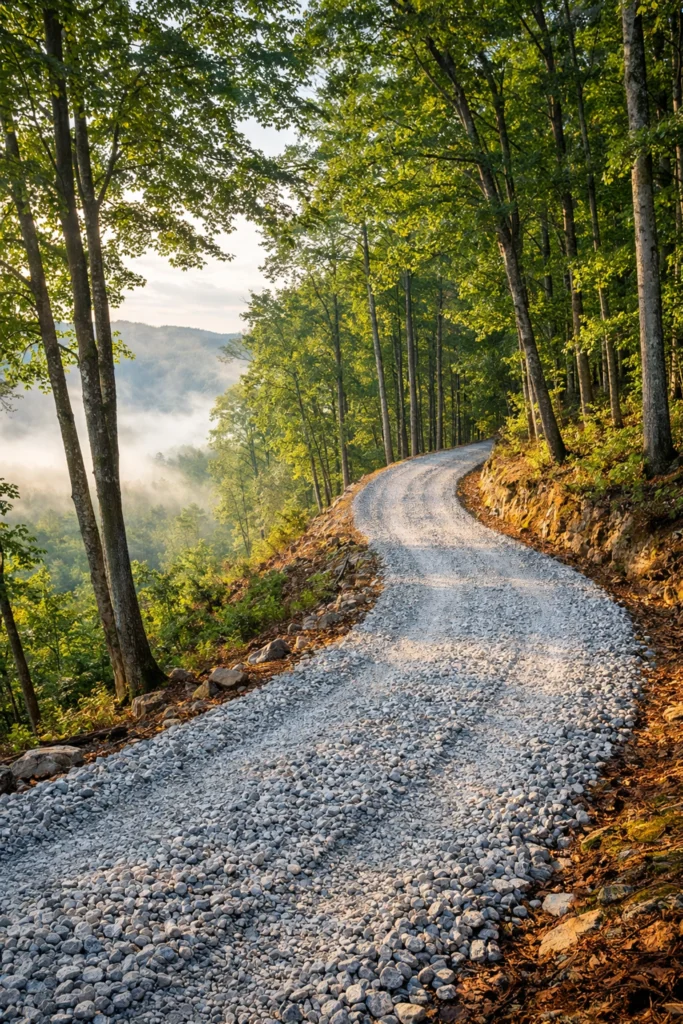
That charming gravel road winding through the woods to your future homesite? It looks idyllic in June. But let’s talk about January.
Road access is one of the most underestimated aspects of building in the mountains. Here’s what you need to consider:
Is the road public or private? Public roads are maintained by the state or county. Private roads are maintained by… you. And possibly your neighbors, if there’s a road maintenance agreement in place. Make sure you understand exactly who’s responsible for plowing snow, grading, and repairing washouts.
Can construction vehicles access the site? That narrow mountain road might be fine for your SUV, but concrete trucks, excavators, and lumber deliveries need wider clearances and better turning radiuses. Site access difficulties can add thousands to your construction costs.
What about winter? In Todd and Deep Gap, winter is real. If your road isn’t maintained or is too steep, you could find yourself snowed in for days. Consider whether the access road can be realistically plowed and whether the grade is manageable in ice and snow.
Road maintenance agreements are crucial. If you’re sharing a private road with other property owners, make sure there’s a legal, recorded road maintenance agreement that spells out everyone’s responsibilities and cost-sharing arrangements. Without this, disputes are almost inevitable.
Foundation Challenges: Building on Solid Ground (Literally)
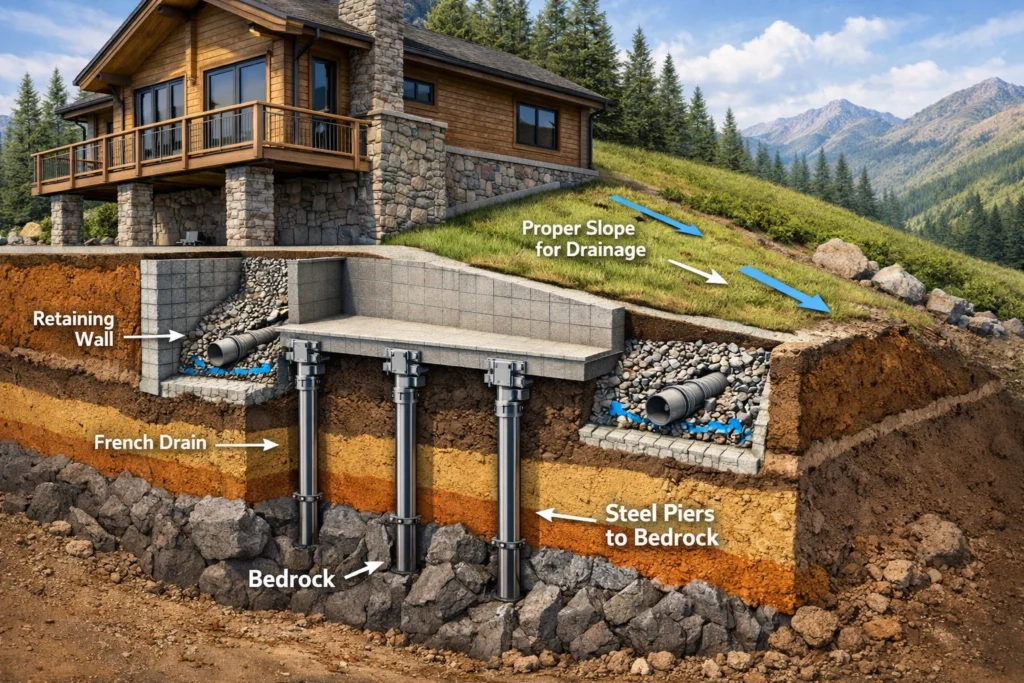
Here’s something many people don’t think about until it’s too late: building on a mountain slope presents unique foundation challenges. The very topography that creates those incredible views also creates uneven soil pressure and potential settling issues.
Foundation settlement is a critical concern in mountainous terrain. Homes built on slopes often experience foundation problems due to unstable ground conditions. Here’s how to protect your investment:
Work with experienced mountain builders. Not all contractors understand the specific engineering requirements for mountain construction. You need someone who’s built on slopes before and knows how to properly address drainage, retaining walls, and foundation design.
Plan for proper drainage. Water is your foundation’s enemy. On a slope, managing water runoff becomes even more critical. Your site plan needs to include comprehensive drainage solutions, French drains, proper grading, gutters, and downspouts that direct water away from the foundation.
Consider foundation reinforcement options. Depending on your site, you might need foundation push pier systems or other stabilization methods. These systems drive steel piers deep into the ground until they reach stable soil or bedrock, preventing settlement and structural damage.
Budget for site preparation. Cutting into a mountainside to create a level building pad is expensive. So is building retaining walls to support your driveway or yard. Make sure these costs are in your budget before you fall in love with a challenging site.
Choosing Your Building Site: Views vs. Practicality
When you’re evaluating deep gap nc real estate or land in Todd, you’ll likely be torn between the site with the best views and the site that’s easiest to build on. Here’s how to find the sweet spot:
Elevation equals views, but also exposure. Higher elevations offer better vistas but also more exposure to wind, ice, and extreme weather. You’ll need to account for higher heating costs and more robust construction to withstand the elements.
Consider sun exposure year-round. A south-facing slope gets more sunlight and passive solar heating in winter, a real benefit in the mountains. Northern slopes tend to hold snow and ice longer and can be significantly colder.
Think about the orientation for your lifestyle. Where do you want to watch the sunrise? Where do you envision your deck or patio? Will you have morning sun in the kitchen? These details matter when you’re planning to spend years in this home.
Access from the road matters. The most beautiful building site doesn’t mean much if accessing it requires a quarter-mile driveway that costs $50,000 to build. Balance views with practical access.
Due Diligence: Your Pre-Purchase Checklist
Ready to make an offer on land in Todd or Deep Gap? Here’s your essential due diligence checklist:
Review the deed and title. Make sure there are no easements, right-of-way issues, or restrictions that would limit your building plans.
Check zoning and building regulations. Confirm what you can actually build on the property. Some areas have restrictions on home size, outbuildings, or commercial use.
Verify utilities availability. Where’s the nearest electric service? Will you need to drill a well? How deep are wells in the area typically? These details affect both feasibility and cost.
Investigate any covenants or restrictions. Some subdivisions have architectural guidelines or homeowners associations with rules about building materials, colors, or styles.
Research property taxes and special assessments. What will your ongoing costs be? Are there any pending special assessments for road improvements or other infrastructure?
Get a survey. Know exactly what you’re buying. Boundary disputes with neighbors are no fun, and you need accurate measurements for your building plans.
Walk the property in different seasons if possible. That dry creek bed might become a raging torrent in spring. The access road that’s perfect in summer might be impassable in winter.
Working with Local Experts Who Know These Mountains
Here’s the truth: building in Todd or Deep Gap isn’t like building in a flat subdivision. The unique challenges of mountain construction require local expertise. You need a team that understands not just building codes, but the specific quirks of building in these particular mountains.
That means working with local well drillers who know where the water table is. Local excavators who’ve worked these slopes before. Local contractors who understand how to build for our weather. And yes, a local real estate professional who can guide you through the land-buying process with eyes wide open to potential issues.
At Ashe County Realty, we’ve helped countless buyers navigate the process of purchasing land and building in Todd, Deep Gap, and throughout the High Country. We know which questions to ask, which red flags to watch for, and which local professionals can help make your mountain dream a reality.
Your Mountain Dream, Built Right
Building a home in the mountains of Todd or Deep Gap is absolutely achievable, and incredibly rewarding when done right. The key is approaching the process with realistic expectations, thorough due diligence, and the right team of local experts in your corner.
Yes, there are challenges. But there are also solutions to every single one of them. The families who successfully build their dream mountain homes are the ones who plan carefully, ask the tough questions upfront, and don’t let enthusiasm override common sense.
Ready to start exploring todd nc real estate or deep gap nc real estate opportunities? Let’s talk about your vision and help you find land that’s not just beautiful, but truly buildable. Because your mountain dream deserves a solid foundation, literally and figuratively.
Give us a call, and let’s start turning your vision into a reality. The right piece of land is out there, and we’ll help you find it: complete with a clear-eyed assessment of what it’ll really take to build on it.