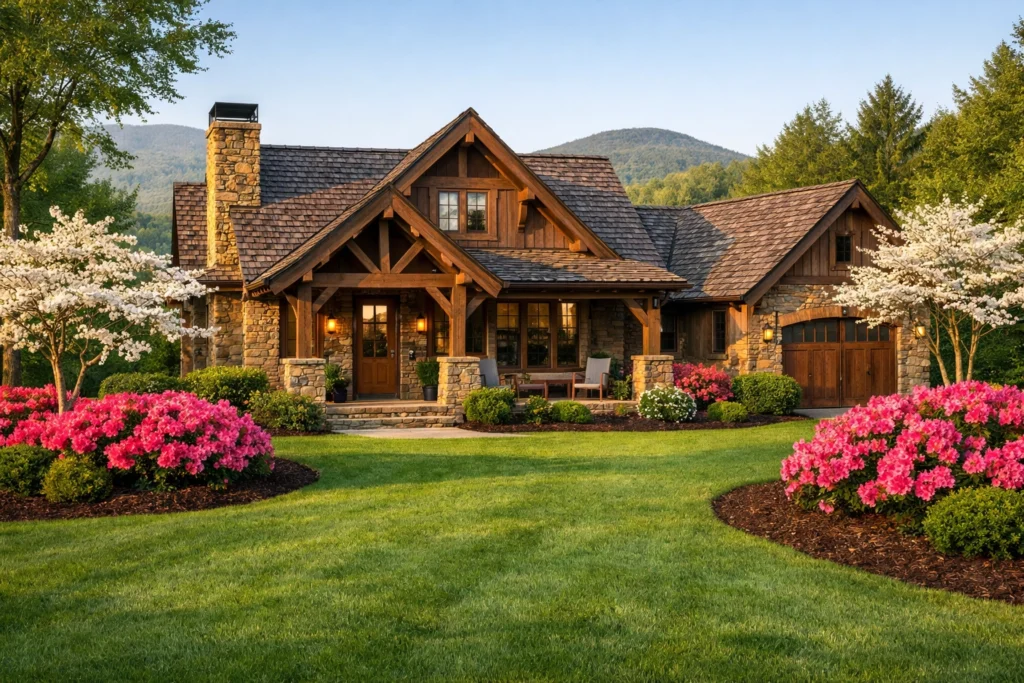
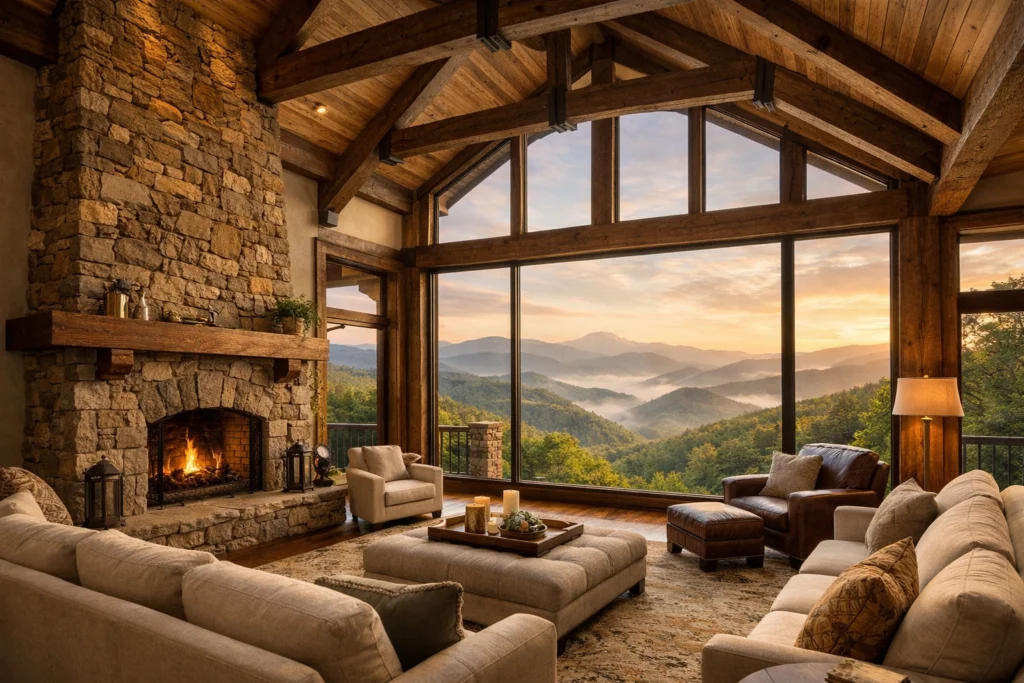
If you’ve spent any time driving along the Blue Ridge Parkway or wandering through the downtown galleries in West Jefferson, you know exactly why people want to be here. Ashe County has this incredible way of making you feel like you’ve finally found “home,” even if you’re just visiting for the weekend. It’s that exact feeling that has made our corner of the High Country such a hotspot for short-term rentals (STRs).
As we move through 2026, I’m seeing more and more folks looking to dive into the investment side of owning a home. Whether it’s a cozy cabin near the New River or a sleek modern build with mountain views, the dream is usually the same: own a piece of paradise and let the rental income help pay the mortgage.
But before you start picking out rustic-chic furniture and creating your Airbnb profile, you need to understand the “rules of the road.” The landscape for STRs in North Carolina has shifted quite a bit lately, and Ashe County has its own unique way of doing things.
As your neighbor and guide, I want to make sure your investment is a win. Here are 10 things you absolutely need to know about local STR rules before you sign on the dotted line.
1. Local Zoning Is the Ultimate Gatekeeper
While North Carolina doesn’t have a one-size-fits-all statewide license for short-term rentals, they do give a lot of power to local governments. In Ashe County, zoning is where the conversation starts. We are generally a very rental-friendly area compared to some of our neighbors, but “friendly” doesn’t mean “anything goes.”
Before you fall in love with a property, check in with the Ashe County Planning Department. Certain areas, especially historic zones or specific sections in communities like Todd, might have stricter standards to keep the neighborhood feeling like a neighborhood. Knowing the benefits of living in rural areas is great, but knowing if your property can actually host guests is better.
2. Don’t Forget the “Private” Rules (HOAs and POAs)
This is a big one. Even if the county says “yes,” a Homeowners Association (HOA) or Property Owners Association (POA) can say “no.” Many of our beautiful mountain communities have private covenants that strictly prohibit short-term rentals or impose very specific rules on them (like minimum stay lengths or parking limits).
I always tell my clients to read the “fine print” of the HOA bylaws twice. You don’t want to buy a dream investment only to find out you can’t rent it for anything less than 30 days at a time.
3. The Definition of “Short-Term” Matters
In North Carolina, a short-term rental is legally defined as any stay that is fewer than 90 continuous days. Why does this matter? Because once a guest stays for 91 days, the rules change completely, and you’re suddenly in the world of traditional long-term landlord-tenant law. Keeping your stays under that 90-day mark keeps you firmly in the STR category, which has different tax and regulatory implications.
4. Permitting: It’s Not Just a Suggestion
Ashe County has historically been pretty lenient, but as the popularity of the area grows, the county is keeping a closer eye on things. You’ll want to contact the planning and zoning office to see if you need a specific permit to operate. This often involves ensuring your property meets basic safety standards and that your septic system is rated for the number of guests you plan to host. Over-occupying a small septic system is a fast track to a very expensive (and messy) problem.
5. You Need a Sales and Use Tax Certificate
To play the game legally, you have to register with the North Carolina Department of Revenue (NCDOR). They will issue you a Sales and Use Tax Certificate. This is a non-negotiable step. Even if you plan on using a platform like Airbnb to handle the heavy lifting, the state needs to know who you are and that you’re authorized to collect taxes on their behalf.
6. Understanding the Tax Stack (6.75% to 7.5%)
Investing in real estate is a great way to build wealth, but you have to account for the tax man. In North Carolina, you’re looking at a state sales tax of 4.75%. When you add the local Ashe County rates, your guests will be paying a combined sales tax of roughly 6.75% to 7.5%.
It’s also wise to research how to save on your real estate investment to ensure your margins stay healthy even after the taxes are paid.
7. The “Pillow Tax” (Room Occupancy Tax)
On top of the sales tax, most jurisdictions in our area levy a “Room Occupancy Tax.” This is often called the pillow tax, and it typically ranges from 3% to 6% in Ashe County. This money goes back into the community to help promote tourism and maintain the very things that make people want to visit. You’ll need to remit this to the county monthly or quarterly, depending on your volume.
8. Platform Collection Thresholds
If you are listing your property on Airbnb or Vrbo, they are considered “marketplace facilitators.” They are legally required to collect and remit state and local sales taxes for you if they exceed $100,000 in gross sales or 200 transactions in North Carolina.
However: and this is a big “however”: you are still responsible for ensuring everything is reported correctly. Don’t just set it and forget it; keep your own records so you aren’t surprised during tax season.
9. Your Homeowners Insurance Isn’t Enough
This is a mistake I see too often. A standard homeowners insurance policy generally does not cover commercial rental activity. If a guest trips on a stone walkway or a kitchen fire breaks out while a renter is staying there, your standard policy might deny the claim.
You need STR-specific insurance. These policies cover guest injuries, property damage caused by renters, and even loss of rental income if the house becomes uninhabitable. It’s a slightly higher premium, but it’s the only way to truly protect your investment and the value of your home.
10. Stay Informed on Senate Bill 291
As of April 2026, we are still keeping a close eye on state-level legislation like Senate Bill 291. There has been a push to create more uniform statewide rules that would limit how much local governments can restrict STRs. While it hasn’t completely rewritten the book for us in Ashe County yet, it’s a sign that the “rules” are a moving target.
Part of finding the right agent is choosing someone who stays on top of these legislative shifts so you don’t have to spend your weekends reading legal briefs.
Making the Move
Investing in Ashe County is about more than just numbers on a spreadsheet; it’s about being part of a community that values the mountains, the river, and the slow-paced lifestyle we all love. By doing your homework on STR rules now, you’re setting yourself up for a stress-free experience that lets you enjoy the High Country just as much as your guests do.
If you’re ready to start looking at properties or just want to chat about which areas are currently seeing the best rental demand, give me a shout. We live and breathe this market every day, and nothing makes me happier than helping a new investor find their perfect mountain “home away from home.”
Whether you are looking for a luxury home or a fixer-upper, let’s make sure your investment is built on a solid foundation!