

There is a specific kind of magic that happens when you stand on a ridge in West Jefferson or Lansing, looking out over those gold-brown mountain peaks as the sun begins to dip. You can practically see your future front porch right there. But before you can start picking out rocking chairs or deciding which way your windows should face to catch that morning glow, there is a bit of “mountain homework” to do.
Buying land for sale in Ashe County, NC isn’t quite like buying a suburban lot in a cookie-cutter neighborhood. Our terrain is rugged, our history is deep, and our paperwork has a few quirks that you’ll want to understand before you hand over your hard-earned deposit.
At Ashe County Realty, we believe that the best dream homes are built on a foundation of solid facts. To help you navigate the process, I’ve pulled together this guide on the essential paperwork and due diligence steps you need to master when looking at ashe county land for sale.
The North Carolina “Due Diligence” Period
If you’re moving from another state, the way we handle contracts here in North Carolina might surprise you. We use a specific “Due Diligence” process. When you make an offer on land, you’ll typically pay a non-refundable Due Diligence Fee directly to the seller. In exchange, the seller takes the property off the market for a set period (the Due Diligence Period).
During this time, you have the absolute right to walk away for any reason: or no reason at all: but you won’t get that fee back. This is the window where all your paperwork “detective work” happens. If you’re feeling a little overwhelmed by the lingo, you can brush up on some real estate terms every buyer and seller should know to feel more confident at the closing table.
1. Deed Restrictions and Covenants: Know the Rules of the Ridge
The first piece of paper you should ask for is a copy of the deed restrictions or restrictive covenants. You’ll often hear land described as “unrestricted,” but in the world of real estate, that term is relative.
Review the “Fine Print”: Even if there isn’t a formal Homeowners Association (HOA), there might be “run with the land” restrictions. These could dictate the minimum square footage of a home, whether you can keep livestock, or if you’re allowed to park an RV on the property for extended periods.
Identify the Setbacks: Every piece of land has “setbacks”: the distance you must keep between your building and the property lines or the road. In the mountains, these can be tricky if the only flat spot to build is right on the edge of a setback line.
Look for Zoning Laws: While much of Ashe County is gently regulated, you still need to check with the Ashe County Planning Department. They ensure your plans align with local building codes and environmental protections.
2. The Survey: Don’t Rely on a Handshake
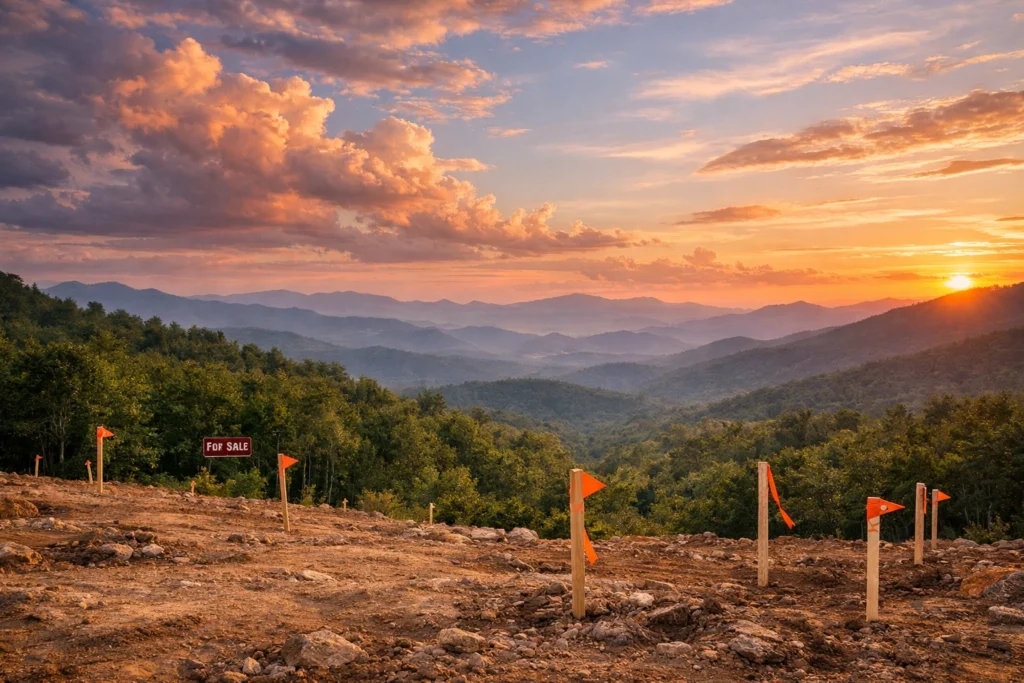
I’ve seen it happen more than once: a buyer thinks they own “to that big oak tree,” only to find out after the closing that the oak tree is ten feet onto the neighbor’s property. In the High Country, old fence lines and rock walls aren’t always legal boundaries.
Get a New Survey: Even if the seller has a survey from 1985, I highly recommend getting a fresh one. A modern surveyor uses GPS technology to pin down exactly where your dirt starts and stops.
Mark the Corners: Ask the surveyor to clearly “stake” the property. It’s much easier to plan your driveway and home site when you can physically see the boundaries.
Check for Encroachments: A survey will reveal if a neighbor’s shed is on your land or if a power line easement cuts right through your ideal building spot.
3. The All-Important “Perc” Test
If the land for sale in Ashe County, NC you are eyeing isn’t in a town like Jefferson or West Jefferson with municipal sewer, you are going to need a septic system. To get one, the land must “perc.”
Soil Evaluation: A soil scientist or a representative from the Appalachian District Health Department will visit the land to determine how well the soil drains.
Permit Stages: You’ll be looking for three specific documents: the Improvement Permit, the Authorization for Wastewater System Construction, and finally, the Operation Permit.
Build Contingencies: Never, ever close on a piece of land intended for a home without a successful perc test in hand. If the land doesn’t perc, you effectively have a very expensive private park, but not a home site.
4. Deeded Access and Road Maintenance Agreements
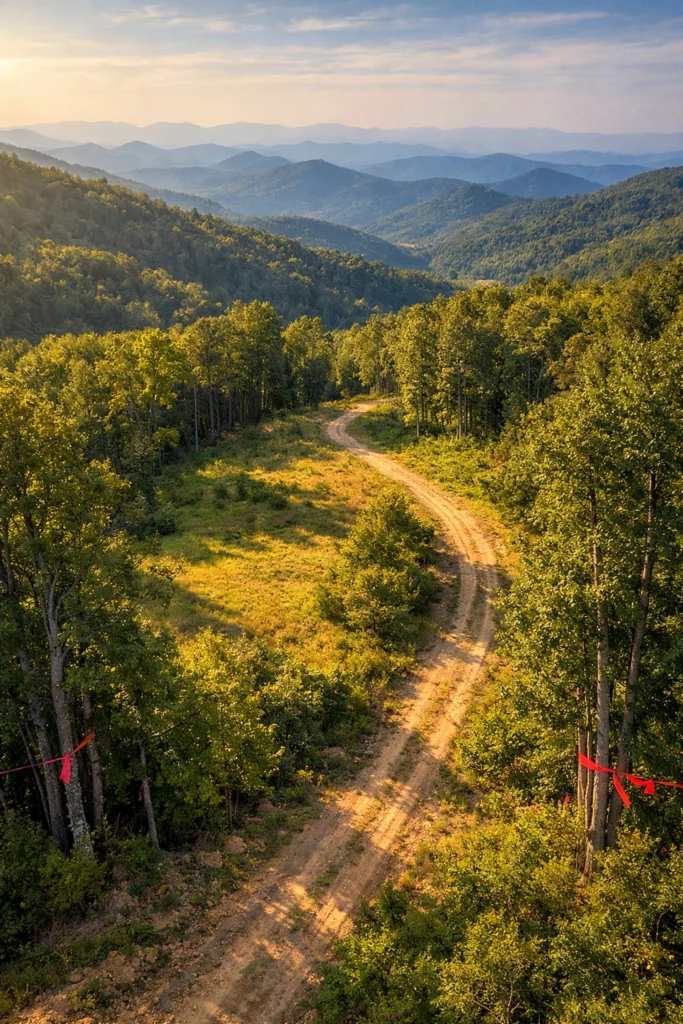
Access is everything in the mountains. Just because a road leads to a property doesn’t mean you have the legal right to use it.
Written Easements: You need a deeded easement in writing. Verbal agreements with a friendly neighbor can vanish the moment that neighbor sells their land to someone else. Your attorney will verify that your access is recorded at the courthouse.
Road Maintenance Agreements (RMA): If the land is on a private gravel road, who pays for the gravel? Who plows the snow when we get those beautiful winter dustings? A formal RMA outlines how costs are shared among neighbors. Without one, getting a construction loan or a mortgage can be significantly more difficult.
5. Water Rights and Well Permits
Unless you are tapping into town water, you’ll be drilling a well. While Ashe County is blessed with plenty of water, the paperwork still matters.
Well Location: There are strict rules about how far a well must be from a septic tank (usually 100 feet). Your “due diligence” should include a rough sketch of where both will go to ensure they don’t conflict.
Water Quality: If there is an existing well on the property, have the water tested for minerals and bacteria. It’s a small price to pay for peace of mind.

6. The Closing Paperwork: Crossing the T’s
Once you’ve finished your inspections and you’re satisfied with the dirt, it’s time for the legal hand-off. In North Carolina, real estate closings are handled by attorneys, not just title companies.
The Title Search: Your attorney will dig through the county records to make sure there are no “clouds” on the title: things like old tax liens, unpaid child support from a previous owner, or forgotten mortgages.
The Deed: This is the document that proves you own the land. Ensure your “Grantee Address” is correct on the first page so the tax office knows where to send your bill.
Real Estate Excise Tax: Be prepared for this small closing cost. In North Carolina, the seller usually pays an excise tax of $2.00 per $1,000 of the purchase price. It’s part of the official recording process.
Why This Matters Now
We’ve seen a lot of interest in our area lately, especially as people look for a slower pace of life and a connection to nature. We’ve also seen our community come together in incredible ways, such as during the recovery efforts following Hurricane Helene’s impact on Ashe County. Knowing your land: and having the right paperwork: ensures that you are building in a way that is safe, legal, and respectful of the mountain landscape we all love.
If you’re just starting your journey, you might find our guide to buying your first home in today’s market helpful for understanding the broader financial picture.

Your Next Steps
Buying land is an emotional journey, but it’s anchored by these very practical documents. When you find that perfect plot with the views that make your heart skip a beat, take a deep breath and start your checklist:
Request the Deed Restrictions.
Call a Surveyor.
Schedule the Perc Test.
Confirm the Access Easement.
At Ashe County Realty, we’ve walked this path with hundreds of neighbors. We know which hollers have the best soil and which ridges might need a little extra work for road access. We aren’t just here to show you property; we’re here to make sure the dream you’re building is one that will last for generations.
If you have questions about a specific piece of land for sale in Ashe County, NC, or if you’re ready to start your search for the perfect mountain escape, give us a call. We’d love to help you find your place in these hills!

Helen Leserra – Real Estate Broker,
With a distinguished 26-year career in the real estate industry, Helen Leserra brings a level of expertise and market wisdom to Ashe County Realty that only decades of dedicated service can produce. Helen is a seasoned veteran of the High Country market, known throughout the region for being professional, prompt, and exceptionally knowledgeable
When you partner with Helen, you’re not merely engaging a broker; you are embracing a wealth of passion for the High Country, fortified by decades of proven success and a commitment to making your real estate dreams a reality.
Dedicated 24/7 client support
Whether you’re buying, selling, or just need expert advice, Helen is ready to put over two and a half decades of expertise to work for you. Help us give her a warm High-Country welcome in the comments!
120 Greenfield Cir, West Jefferson, NC
336-977-8493
AsheCountyRealty.com