
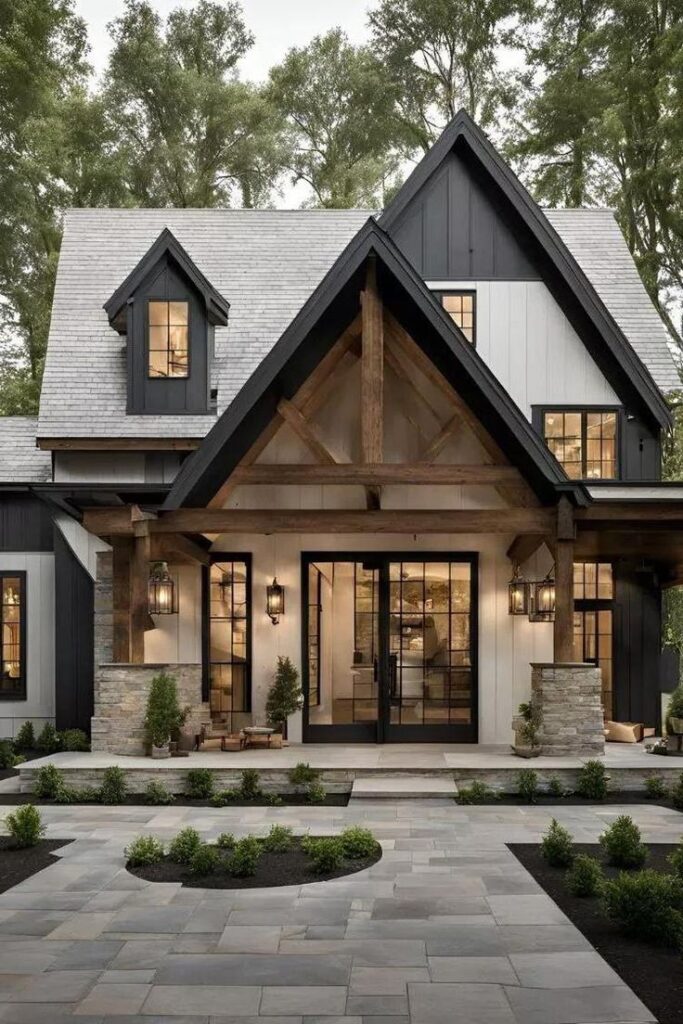
Buying land in the High Country is exciting. You’ve probably already imagined your future cabin tucked into the hillside, morning coffee on the porch, and those stunning long-range views that make Ashe County so special. But before you get swept up in the dream, there’s some homework to do.
When you’re looking at Ashe County land for sale, the technical details matter just as much as the view. Septic systems, wells, and easements might not sound glamorous, but understanding them can save you from costly surprises down the road. Think of this as your practical checklist, the stuff that separates a smart land purchase from a stressful one.
Let’s dig into the five essential things you need to check before signing on that dotted line.
1. Verify Septic System Permits and Status
Here’s something many first-time land buyers don’t realize: in North Carolina, septic systems require not one, not two, but three types of permits. These include an Improvement Permit, an Authorization for Wastewater System Construction, and an Operation Permit. Each one serves a specific purpose in ensuring your waste system is safe, legal, and functional.
If the land you’re eyeing already has a septic system in place, your first job is to verify that all permits are in order. The Water Protection Program of AppHealthCare (that’s the Appalachian District Health Department) handles all septic permitting and inspections in Ashe County. You can actually search for permits online through their Permit Search feature, or give them a call at 336-246-3356.
Why does this matter? An unpermitted or improperly permitted septic system can mean:
Fines and legal headaches when you try to sell or develop the property
Expensive repairs or replacements if the system doesn’t meet code
Health hazards for you and your neighbors
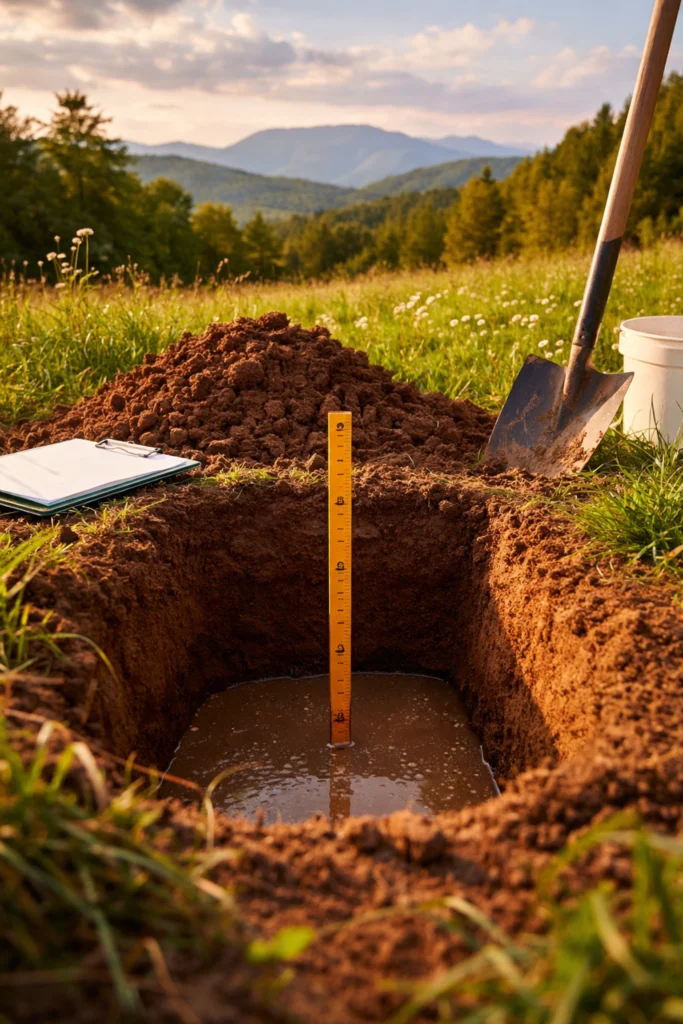
If the land is vacant and you plan to build, you’ll need to confirm that the soil can support a septic system in the first place. This involves a soil evaluation and perc test, which determines how well water drains through the soil. Not every beautiful piece of land for sale in Ashe County NC will pass this test, so it’s crucial to know before you buy.
2. Confirm the Designated Repair Area
This one catches a lot of buyers off guard. Properties permitted since the early 1980s in North Carolina are legally required to have a designated “repair area” or “replacement area.” This is essentially a backup spot where a second drainfield could be installed if your original septic system fails.
Think of it as insurance for your septic system. Drainfields don’t last forever, and when one fails, you need somewhere else on your property to install the replacement. Without a designated repair area, you could be in serious trouble.
Here’s what to check:
Request the original septic permit and look for the repair area documentation
Walk the property and identify where this area is located
Ensure it’s undeveloped, no buildings, driveways, heavy equipment, or excavation should have disturbed this soil
If someone built a shed or paved a driveway over the repair area, you might be inheriting a problem that could cost tens of thousands of dollars to fix. This is one of those details that’s easy to overlook but absolutely critical when evaluating Ashe County land for sale.
3. Investigate Well Permits and Water Quality
Unless you’re buying land in one of the few areas with municipal water, you’ll be relying on a private well. And just like septic systems, wells require proper permitting in North Carolina.
When evaluating a property with an existing well, you’ll want to know:
Is the well permitted? You can search this through AppHealthCare’s online system
How deep is the well? Deeper wells typically mean more reliable water supply, especially during dry summers
What’s the flow rate? You need enough gallons per minute to support your household needs
Where is the well located relative to the septic system? There are required setback distances to prevent contamination
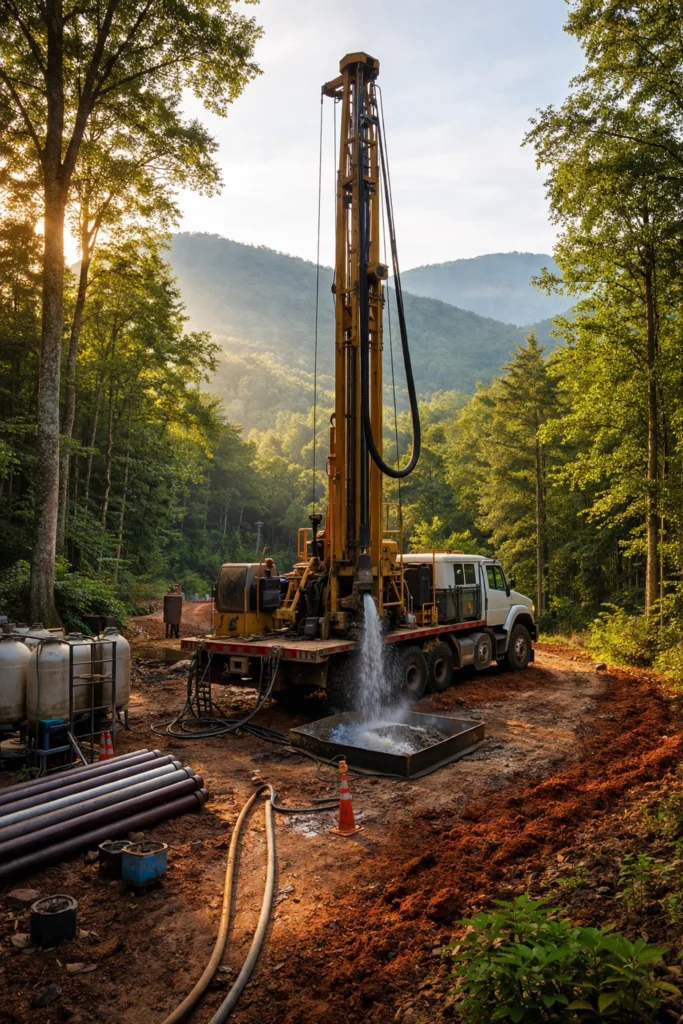
For vacant land, you’ll need to factor in the cost of drilling a new well. In the mountains, this can vary significantly depending on geology. Some properties hit water at 100 feet; others might need to go 400 feet or more. That’s a big cost difference, so it’s worth having a conversation with local well drillers before you commit.
Pro tip: Even if a well is permitted and produces good flow, consider having the water tested for quality. You want to check for bacteria, pH levels, and minerals like iron or sulfur that could affect taste or require filtration systems.
4. Understand All Easements and Right-of-Ways
Easements are one of the trickiest aspects of buying rural land, and they’re especially common here in the High Country. An easement gives someone else the legal right to use a portion of your property for a specific purpose: even though you own the land.
Common types of easements you might encounter:
Utility easements for power lines, water lines, or underground cables
Road easements that allow neighbors to cross your property to access theirs
Conservation easements that restrict development to protect natural resources
Drainage easements for water runoff management
None of these are necessarily deal-breakers, but you need to know exactly what you’re agreeing to. A road easement through the middle of your property could affect where you can build. A conservation easement might limit your ability to clear trees or add structures.
The best way to uncover easements is through a thorough title search and survey. Don’t skip this step! A recorded easement runs with the land, meaning it transfers to you whether you knew about it or not.
Questions to ask:
Who has access rights, and for what purpose?
Where exactly do the easements run on the property?
Are there any maintenance responsibilities that come with the easement?

5. Check Zoning, Setbacks, and Building Restrictions
You’ve found a gorgeous piece of land for sale in Ashe County NC with mountain views for days. The septic’s permitted, the well flows strong, and the easements are manageable. But can you actually build what you want?
Zoning regulations and setback requirements dictate what you can do with your land. Even in rural Ashe County, there are rules about:
How close you can build to property lines (setbacks)
What types of structures are allowed (residential, agricultural, commercial)
Height restrictions for buildings
Minimum lot sizes for certain uses
Restrictions on short-term rentals if you’re planning to use the property as a vacation rental
Some properties also come with private deed restrictions or are part of subdivisions with HOA covenants. These can regulate everything from exterior paint colors to whether you can park an RV on your land.
Before you fall in love with a property, make sure your plans align with what’s actually permitted. A quick conversation with the Ashe County Planning Department can save you from buying land that won’t work for your intended use.
Let Us Help You Navigate the Details
Buying land in Ashe County is one of the best investments you can make: if you do it right. The mountain lifestyle waiting for you here is absolutely worth pursuing, but going in with your eyes open makes all the difference.
At Ashe County Realty, we’ve guided countless buyers through these exact hurdles. We know which questions to ask, which red flags to watch for, and which local resources to tap when you need expert help. Whether you’re searching for the perfect homesite or acreage for a family compound, we’re here to make sure your land purchase is a smart one.
Ready to explore land listings in Ashe County? Reach out to Beverly Black and let’s find your perfect piece of the High Country( with all the technical boxes checked.)