
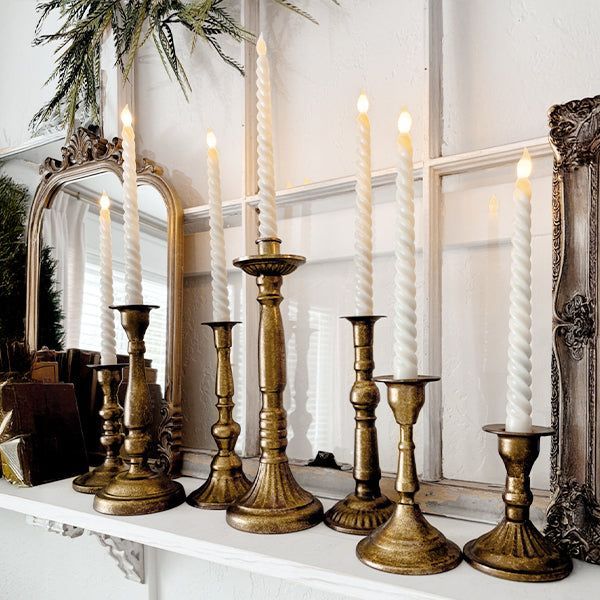
Brass accents are back in style, particularly in aged, brushed, or vintage finishes. Unlike the shiny, polished brass that dominated the 1980s, today’s trend emphasizes warmth, character, and versatility, positioning brass as a tasteful accent rather than the focal point.
### The History of Brass in Home Design
Brass has a long-standing history in interior design, experiencing cycles of popularity alongside changing tastes:
– **19th to Early 20th Century:** During the Victorian and Art Deco periods, brass was widely used in ornate fixtures, hardware, and furniture, conveying opulence.
– **Mid-Century Modern (1950s–1970s):** Brass made a stylish comeback during this era. It paired well with rich woods and earthy colors, adding an element of understated luxury to home furnishings.
– **1980s:** This decade witnessed an explosion of shiny, lacquered brass on items ranging from door handles to light fixtures. This mass-produced, often overused aesthetic quickly became dated, leading to a backlash against brass.
– **Fall from Favor:** In the 1990s and 2000s, cooler-toned metals like brushed nickel and stainless steel became the dominant finishes in kitchens and bathrooms, overshadowing brass.
– **Resurgence (2010s–Present):** Brass has gradually and steadily returned to popularity since the 2010s. This latest cycle is characterized by more sophisticated and subtle uses of the material.
### How Brass Is Used in Modern Interior Design
Today, the approach to decorating with brass emphasizes a “less is more” philosophy. Current methods highlight the metal’s warmth and character in the following ways:
– **As an Accent:** Rather than overwhelming a space, brass is now used as the “jewelry” of a room. Designers incorporate it as a finishing touch on light fixtures, cabinet pulls, faucets, and small decor items.
– **In Varied Finishes:** A key difference from the past is the diversity of finishes. Contemporary brass is often aged, brushed, satin, or unlacquered, giving it a softer, more refined appearance compared to the jarringly bright brass of the 1980s.
– **As a Mixed Metal:** Mixing different metals is a popular trend that enhances brass’s versatility. It pairs well with other finishes like matte black, polished nickel, or chrome, creating visual depth and a “lived-in” feel.
– **For Warmth:** As homeowners move away from cooler gray tones, they are embracing warmer, more playful interiors. Brass naturally complements this shift by adding a golden warmth that works beautifully with earthy tones, deep colors, and natural materials like wood and stone.